
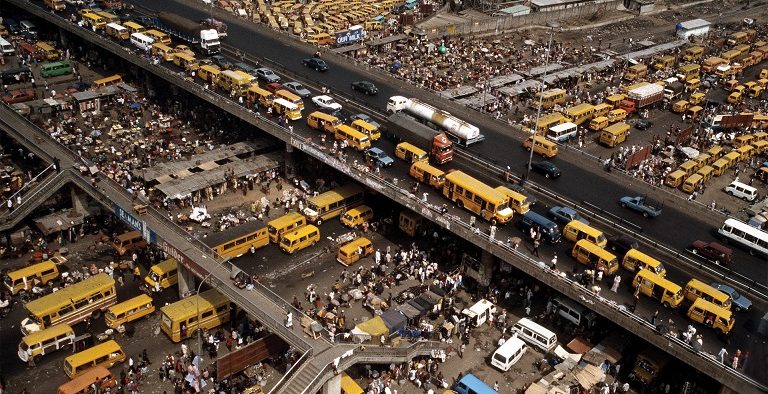
Traffic congestion is a general issue affecting the city of Lagos, Nigeria. With a populace of over 20 million people and constrained road infrastructure, the city has been dealing with challenging traffic congestion for years. This writes up aims to bring to light the consequences of traffic congestion on Lagosians, including economic, environmental, and health impacts.
- Economic Implications:
- Time and productivity: Traffic congestion leads to significant time wastage for commuters, resulting in reduced efficiency while at work. Employees spend hours stuck in traffic, leading to late arrivals at work and increased non-appearance to work.
- Heightened transportation prices: The longer travel times caused by congestion result in increased fuel expenditure and transportation costs for individuals and businesses. This, in turn, affects the prices of goods and services, impacting the overall cost of living in the city.
- Negative impact on businesses: Traffic congestion hinders the smooth operation of businesses, especially those reliant on timely deliveries or transportation of goods. It can lead to delays in supply chains, loss of customers, and decreased effectiveness.
- Environmental Implications:
- Pollution: The extreme traffic congestion in Lagos contributes to high levels of air pollution. Vehicle emissions, particularly from poorly maintained vehicles, release harmful pollutants into the environment, leading to respiratory problems and other health related issues.
- Noise pollution: The constant blowing of car horns and the noise generated by congested traffic add to the overall noise pollution in the city. This not only affects the quality of life for residents but also disrupts sleep patterns and increases stress levels.
- Increased carbon footprint: The extreme fuel expenditure caused by traffic congestion results in a higher carbon footprint. This contributes to climate change and global warming, aggravating environmental issues on a substantial scale.
- Health Implications:
- Stress and mental health: Sitting in traffic for extended hours can lead to increased stress levels, anxiety, and frustration among Lagosians. The constant experience to traffic congestion can adversely impact mental health and well-being.
- Physical health issues: Continued exposure to air pollution from traffic congestion can lead to respiratory problems, such as asthma, bronchitis, and other respiratory illnesses. Additionally, sedentary behavior during long commutes can contribute to a inactive lifestyle, leading to obesity and related health issues that may result to constant visit to the hospital.
- Road accidents: Traffic congestion increases the likelihood of road accidents due to the frustration and impatience of drivers. The overcrowded roads and aggressive driving behaviors can result in a higher number of accidents, leading to injuries and loss of lives.
Traffic congestion in Lagos has far-influential consequences on the lives of its residents. The economic, environmental, and health impacts are sizable and require urgent attention. Addressing traffic congestion requires a multi-faceted approach, including investing in public transportation, improving road infrastructure, promoting carpooling and alternative modes of transportation, and implementing effective traffic management strategies. By alleviating traffic congestion, the quality of life for Lagosians can be improved, fostering economic growth, and creating a healthier and more sustainable city.




 ARTIFICIAL INTELLIGENCE AND ITS IMPACT ON HUMAN BEINGS