
Part III: Sustainability Consciousness in Infrastructure Development
In the previous parts of this series, we discussed the challenges faced by Nigeria’s civil infrastructure system and the role of material technology advancements in creating resilient infrastructure. In Part III, we will explore the concept of sustainability consciousness and the importance of adopting environmentally friendly practices in infrastructure development.
In today’s world, sustainable infrastructure is gaining increasing recognition as a critical factor in creating a better future. Sustainable infrastructure seeks to minimize the negative impact on the environment while maximizing economic and social benefits. As Nigeria aims to address its infrastructure deficit, infusing sustainability consciousness into development practices will yield numerous advantages.
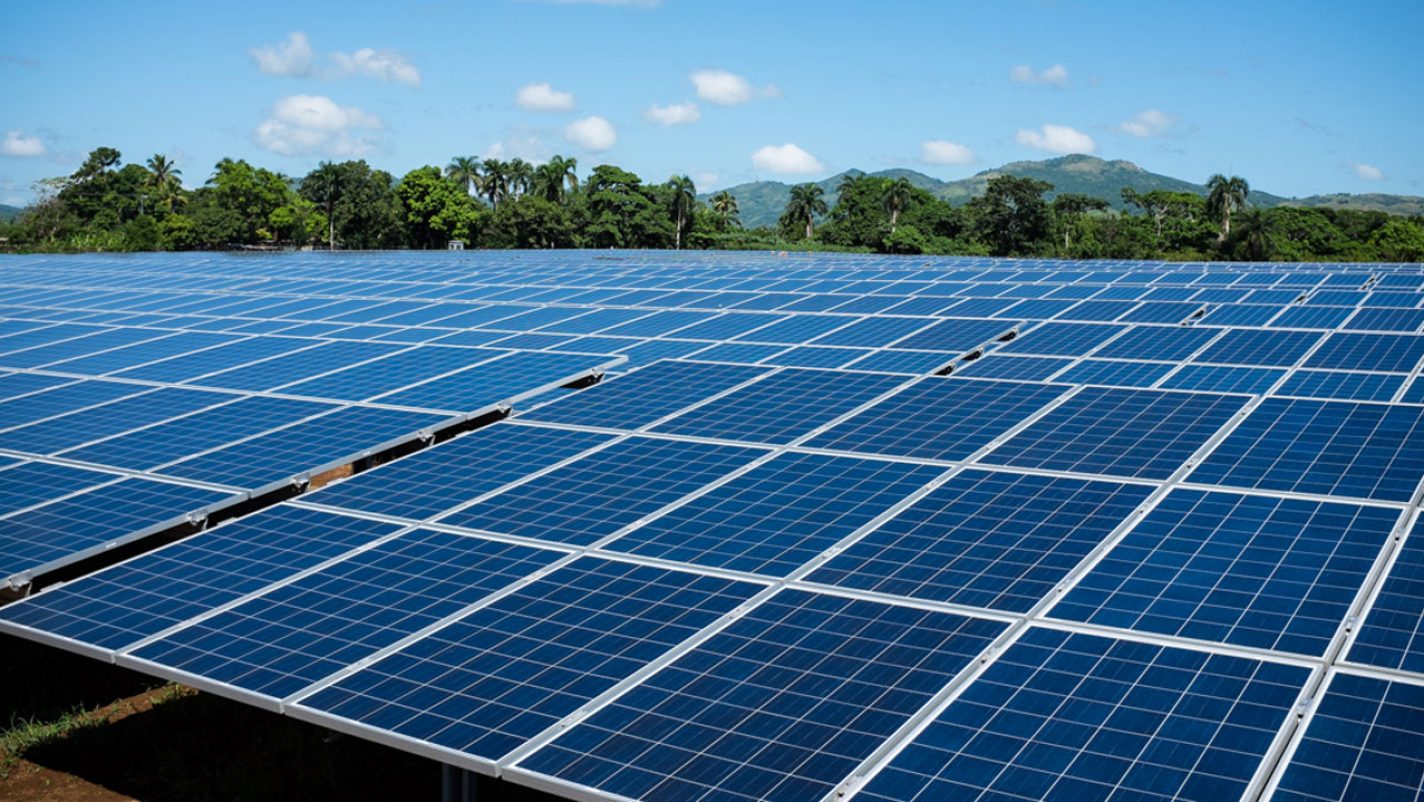
One crucial aspect of sustainability consciousness is energy efficiency. The design and operation of infrastructure should prioritize energy conservation. Incorporating energy-efficient technologies, such as LED lighting systems, intelligent building management systems, and renewable energy sources like solar power, can significantly reduce energy consumption and subsequently lower carbon emissions. Not only does this contribute to mitigating climate change, but it also leads to cost savings in the long run.
Another key consideration is water management. Nigeria, like many African countries, faces water scarcity and challenges associated with inadequate access to clean water. Sustainable infrastructure must prioritize water conservation by implementing measures such as rainwater harvesting, wastewater recycling, and smart irrigation systems. By utilizing these techniques, infrastructure projects can reduce their reliance on freshwater sources, preserve water resources, and improve water availability for communities.
Additionally, sustainable infrastructure aims to minimize waste generation and promote recycling and reuse. Construction and demolition waste contribute to environmental degradation, but with proper waste management strategies in place, materials can be repurposed or recycled, reducing the strain on natural resources and minimizing the amount of waste sent to landfills. Furthermore, adopting circular economy principles, where products are designed with the intent of reuse and recycling, can create a more sustainable and resource-efficient infrastructure ecosystem.
Transportation plays a vital role in sustainable infrastructure development as well. Promoting the use of public transportation, creating safe and convenient pedestrian and cycling infrastructure, and investing in green transportation alternatives like electric vehicles contribute to reducing carbon emissions and improving air quality. These measures not only address environmental concerns but also enhance overall mobility and livability for people.
To foster sustainability consciousness, it is essential to integrate green building practices into infrastructure development. This includes utilizing eco-friendly construction materials, implementing energy-efficient designs, incorporating natural ventilation and lighting, and striving for environmentally friendly certifications like LEED (Leadership in Energy and Environmental Design). By constructing buildings and infrastructure that minimize their ecological footprint, Nigeria can ensure a healthier and more sustainable future.
Key stakeholders, including government agencies, regulatory bodies, engineers, architects, and developers, must collaborate and create a shared vision for sustainable infrastructure. Policy frameworks, standards, and regulations should incentivize environmentally friendly practices and mandate adherence to sustainable guidelines. Moreover, public education and awareness campaigns can play a fundamental role in fostering sustainability consciousness among both professionals and the general public.
By embracing sustainability consciousness in infrastructure development, Nigeria can transform its civil infrastructure system into a model of resilience, efficiency, and environmental stewardship. Sustainable infrastructure not only improves the quality of life for its citizens but also attracts investment, boosts economic growth, and positions Nigeria as a leader in sustainable development within the region.
In conclusion, sustainable infrastructure development in Nigeria requires a holistic approach, encompassing material technology advancements, energy efficiency, water management, waste reduction, green transportation, and green building practices. By embracing sustainability consciousness and incorporating these principles into infrastructure projects, Nigeria can create a better future for its people and contribute to global efforts towards sustainable development.
This concludes our three-part series on Nigerian Civil Infrastructure Systems, Material Technology, and Sustainability Consciousness. Thank you for following along! If you have any further inquiries or require assistance with any other topic, feel free to let me know.
MEMBA12



