
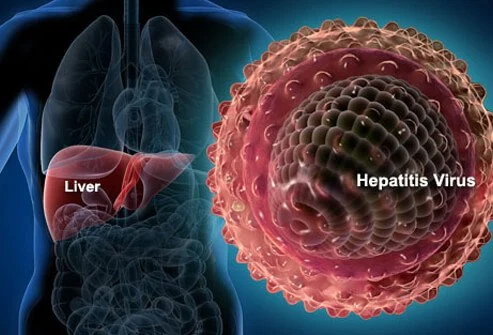
Several years ago, a senior colleague and friend passed away owing to complications from the hepatitis B virus. His passing happened suddenly, leaving no chance to be with him in his final moments. I still vividly recall the phone call at 1 a.m. delivering the heartbreaking news that left me squirmed and baffled, instigating a mental shift in my mind as I reflected on the joyful moments we had shared. Frantically, I dove deep into studying more about the disease — hepatitis B and its other variants.
Hepatitis belongs to the family of viral infections that predominantly affect the liver. These hepatitis viruses are in various distinct strains and subtypes but are denoted by the letters A, B, C, D, and E. Although similar in case presentation, these strains exhibit differences in the mode of transmission, treatment, severity, and prevalence in different geographical locations.
Among these strains, hepatitis B and C are regarded as the most prevalent and treacherous. According to the Nigeria HIV/AIDS Indicator and Impact Survey (NAIIS) report in 2018, the prevalence of hepatitis B and C among adults aged 15–64 years is approximately 8% (8 in every 100) and 1.1% (1 in every 100), respectively.
All hepatitis strains (see second paragraph) are prevented using similar strategies that involve public health initiatives, vaccinations, and safe practices. A mix of multiple preventative methods is recommended, as no one prevention technique works for all strains. These methods are:
Vaccination: Complete vaccination is required for total immunity to only Hepatitis A, B, and E strains; individuals who have been vaccinated for hepatitis B are obliquely immune to hepatitis D. Vaccination is recommended for all infants and at-risk individuals (health workers, people with multiple sexual partners, and those with certain medical conditions). After vaccination, it is essential to assess titre levels to verify the presence of antibodies.
Safe Sex: The use of condoms or dental dams is invaluable in reducing the risk of hepatitis B and C transmission. Engaging in monogamous relationships may lower the likelihood of hepatitis B transmission.
Good Hygiene: Maintaining proper hygiene is essential for the prevention of any illness. The hepatitis B virus may survive for seven days on surfaces. Hygiene practices include frequent hand washing, a clean environment, safe handling of food, access to potable water, and avoiding sharing personal items.
Safe “sharps” Practices: Needles and syringes for medical purposes must be properly sterilized and exclusive to users. Tattooists and their clients should follow strict hygiene and sterilization protocols.
Routine Testing: Scheduled testing for hepatitis infection is a proactive approach to safeguarding public health. It is pivotal in the early detection, reduction of transmission, prevention, and control of infectious diseases.
Education and Awareness: Elevating public consciousness regarding hepatitis; modes of transmission, as well as the significance of vaccination and safe practices, are critical for effective prevention programs.
Reducing Stigma and Discrimination: Prevention of hepatitis B is contingent upon eliminating the stigma and discrimination attributed to the disease. Reducing prejudice could encourage more individuals to take preventative measures.
Preventing viral hepatitis is not only imperative for the well-being of an individual but also the stability of public health. By focusing more on preventive than curative measures, the disease burden can be reduced to the point where it is no longer a significant public health concern. Hepatitis prevention is an investment for a healthier and more resilient world.




 My LBS Experience So Far: Striking a Balance Between Work and Education