
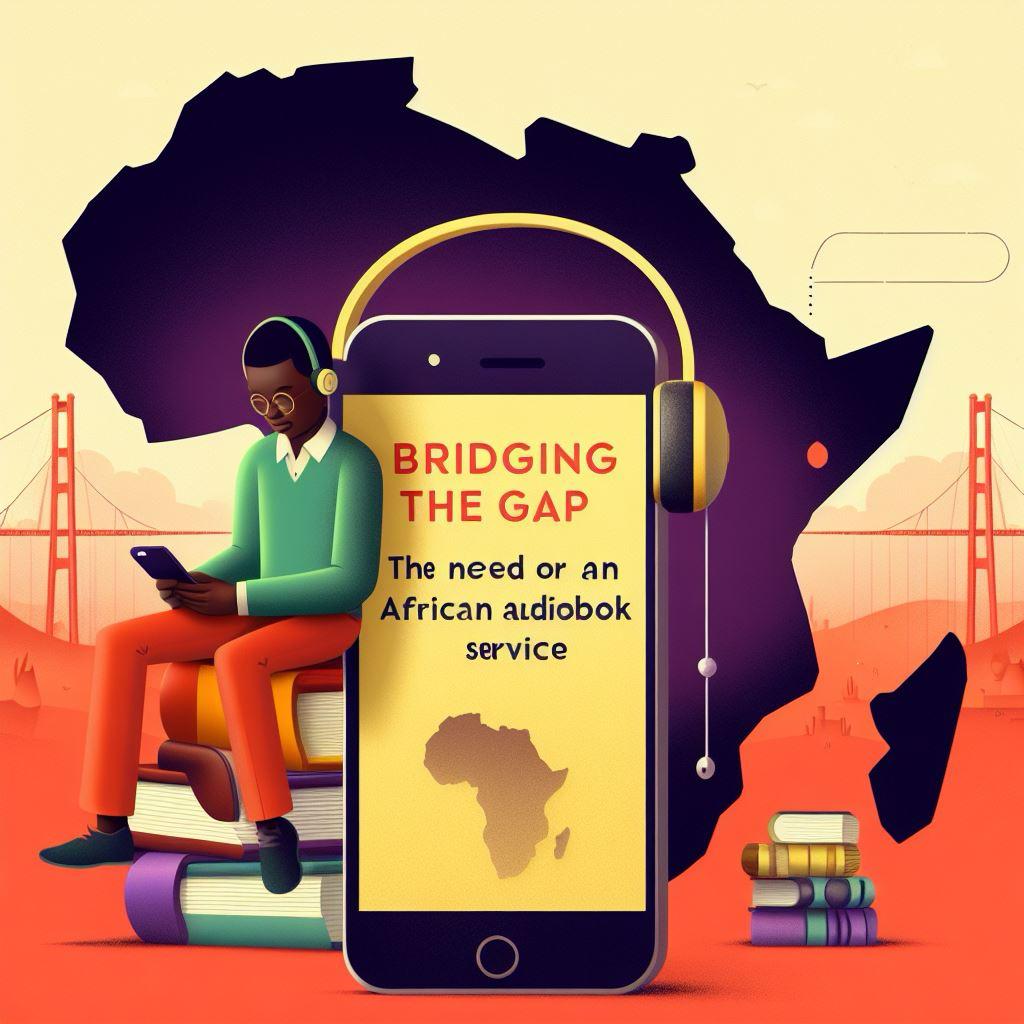
In an increasingly digital world, where information and entertainment are just a click away, audiobooks have become a popular medium for consuming literature and knowledge. However, in Africa, there remains a significant gap in access to audiobooks, a gap that could be addressed by the establishment of a dedicated African audiobook service. This article will explore the reasons behind this need and the potential benefits of such a service.
1. Promoting Literacy
Literacy is a fundamental cornerstone of personal and societal development. In Nigeria, like in many African nations, there are challenges in promoting literacy due to factors such as limited access to books, educational resources, and a shortage of reading materials. An African audiobook service can serve as a powerful tool to combat illiteracy and promote reading, especially for those with limited access to traditional printed books.
2. Preserving Cultural Heritage
Africa is a continent rich in diverse cultures and languages, and its literature reflects this diversity. A dedicated audiobook service can help preserve and promote African languages and literature by providing audiobooks in a wide range of local languages. This not only contributes to cultural preservation but also makes literature more accessible to communities where oral traditions are still prevalent.
3. Accessibility for the Visually Impaired
Audiobooks are a lifeline for visually impaired individuals, offering them an opportunity to access a world of literature that might otherwise be closed off to them. By establishing an African audiobook service, Nigeria can take a significant step towards enhancing the inclusivity of the literary world.
4. Fostering a Culture of Learning
Education should be a lifelong pursuit, and audiobooks can make learning more accessible and convenient. By making a diverse range of educational content available in audio format, a Nigerian audiobook service can foster a culture of lifelong learning, benefiting individuals of all ages.
5. Economic Opportunities
The establishment of an African audiobook service has economic implications as well. It can create job opportunities in areas like content creation, narration, audio engineering, and digital distribution. Additionally, it can serve as a platform for local authors to showcase their work and reach a broader audience.
6. Technology and Connectivity
The rapid expansion of internet access and mobile technology in Africa has made audiobook services more viable than ever before. Nigeria, as one of the largest and most technologically advanced countries on the continent, is well-positioned to lead the charge in establishing such a service. Moreover, the availability of affordable smartphones and data plans means that a broad section of the population can benefit from this service.
7. Bridge the Gap in African Storytelling
African stories are a treasure trove of wisdom, history, and creativity. Unfortunately, many of these stories are not readily available in audiobook format. An African audiobook service can help bridge this gap, making African literature and storytelling more accessible to a global audience.
8. Learning from Global Models
Successful audiobook services such as Audible have demonstrated the vast potential of the medium. Nigeria can learn from these models and adapt them to the African context, considering local preferences, languages, and market dynamics.
In conclusion, the establishment of an African audiobook service in Nigeria is not just a matter of convenience; it’s a step towards enhancing literacy, preserving culture, and promoting lifelong learning. It has the potential to create economic opportunities and provide access to a world of knowledge for millions of people. By embracing this initiative, Nigeria can lead the way in providing an invaluable service that brings the magic of storytelling and education to the fingertips of its people and the broader African community. The need for such a service is clear, and it is high time to embark on this journey to make audiobooks more accessible to the African continent.




 Turning Criticism to Stepping Stones: A Guide for Handling Negative Feedback