
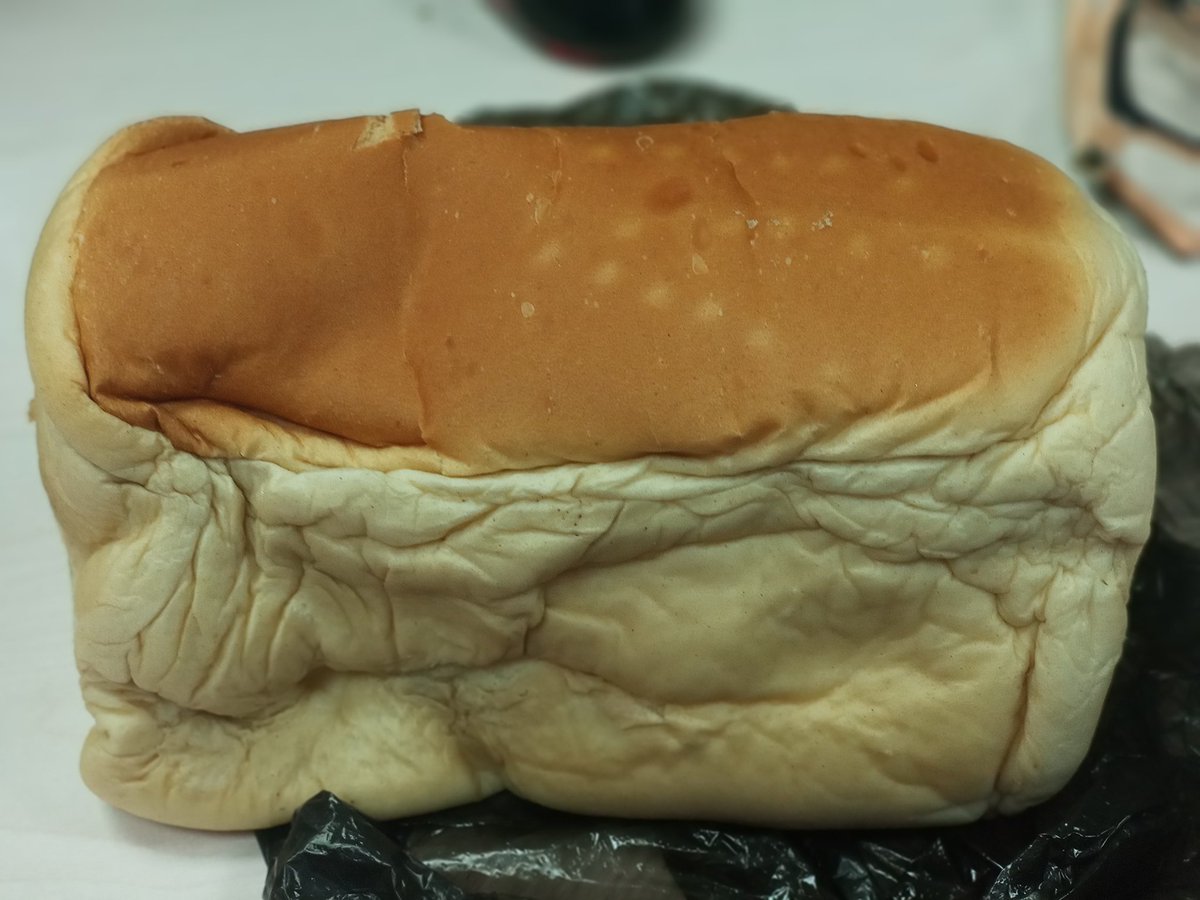
Analysis of business problems is a crucial aspect of my MBA education, the course is designed to equip students with essential skills to comprehend business challenges, gather pertinent data, conduct thorough analysis, and devise effective solutions or alternative courses of action. This realization struck me profoundly as I sat with my group members, examining a case study before our classes. It reminded me of a conversation I had nearly a decade ago with an old acquaintance, a conversation that revolved around a vital decision: Agege Bread or Slice Bread.
The year was 2014, a time when I had just embarked on my mandatory year of national youth service. My residence was conveniently located near a local bakery renowned for its unique offering: soft, fluffy white bread with a delicate golden-brown crust, affectionately known as ‘Agege Bread’ in local parlance. Every morning, a tantalizing aroma wafted from the bakery as I queued up to purchase a freshly baked loaf. Through this daily ritual, I became acquainted with the owner and manager of the bakery, a person named Lade.
One evening, Lade invited me for a drink at a nearby street bar, accompanied by some of his friends. As the night progressed, amid a few bottles, he candidly shared the challenges he faced as a business owner in our country. Lade had acquired the bakery from its erstwhile owner, who had relocated overseas with his family. His only notable investment since taking over was the purchase of a minibus used for distribution. The bakery’s sole product was Agege Bread, sold directly to retailers including food vendors, local restaurants, hawkers, and retail stores.
The economic landscape was harsh, causing a surge in the prices of essential raw materials such as flour, milk, and sugar. Moreover, gentrification in the neighborhood led to the transformation of apartment buildings to cater to middle-income families. Simultaneously, the rise of new fast-food establishments altered consumer tastes significantly. These factors converged, resulting in diminished profit margins, rendering the bakery business financially challenging in the long run.
Lade contemplated a solution: diversifying into the production of slice bread, a demand consistently voiced by his retailers. However, this endeavor required substantial investments in modernizing the bakery, including industrial slicers, and packaging machines. To fund this transformation, he pondered approaching his bank for a loan, using the bakery as collateral. Amidst a night of deep contemplation, fueled by alcohol, Lade hesitantly mentioned an acquisition offer from a prominent bakery and confectionary conglomerate in the country. Now faced with a critical decision, he found himself torn between obtaining a loan to expand his business or selling to the conglomerate. In his inebriated state, he hoped that clarity would dawn upon him once the hangover subsided, enabling him to make the right choice.
Reflecting on my conversation with Tade, I yearned for a time machine, that would allow me to travel back and gather the necessary data to evaluate the viability of both options he was considering. Armed with the analytical skills I had acquired in my ABP class, I could have aided him in making an informed decision, helping him navigate the intricate maze of business dilemmas.




 EDUCATION IS A SHRINKING PART OF THE NIGERIAN ECONOMY