
“One of the tests of leadership is the ability to recognize a problem before it becomes an emergency.” – Arnold H. Glasow
A business problem or dilemma refers to a challenging issue or situation that a business or an organization faces and must address to achieve its objectives or make decisions. These problems or dilemmas can take various forms and often arise from a multitude of factors. In confronting business challenges, managers sometimes use these terms interchangeably. It is however imperative to distinguish between problems and dilemmas to understand the thought process involved in solving these challenges when they arise.
Business Problem: A business problem typically relates to a specific challenge or issue that a company or an organization encounters in its day-to-day operations. These problems may include declining sales, supply chain disruptions, employee turnover, customer complaints, financial losses, or technological issues, among others. The primary objective is to find a solution to the problem, mitigate its negative impact, and restore normal business operations. For example, a waste management company faced with an increase in operating costs because of a change in dumpsite which is five times farther away from the initial dumpsite amidst an increase in inflation can be said to be facing a business problem.
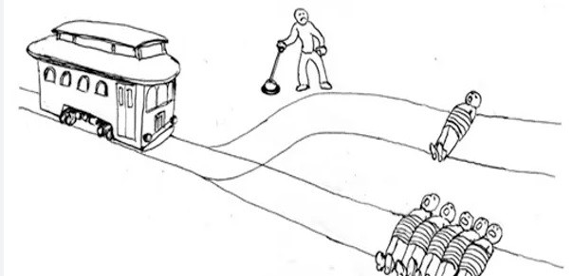
Business Dilemma: A business dilemma on the other hand is a situation where an organization faces a difficult choice between two or more conflicting options, each with potential advantages and disadvantages. Dilemmas are often complex and require careful consideration of ethical, strategic, and long-term implications. For example, a company may be faced with a dilemma in choosing between reducing its workforce to cut costs and increase the wages of the retained workforce, or retaining all its employees to maintain employee morale and public perception while being unable to increase their wages. Choosing any combination of these options presents certain advantages and disadvantages to the company, with implications on sustainability and public perception.
In either case, addressing business problems and dilemmas typically involves:
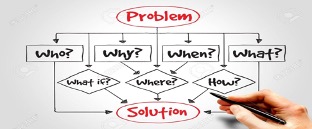
Problem Identification: Carefully defining and understanding the problem or dilemma. This includes assessing its causes, effects, and potential consequences.
Data Collection and Analysis: Gathering relevant data, information, and evidence to evaluate the problem or dilemma. Analysis helps in making informed decisions.
Solution Generation: Exploring various solutions, strategies, or options to resolve the issue. Brainstorming and creativity play a critical role here.
Evaluation: Weighing the pros and cons of each solution, considering long-term impacts, and assessing their feasibility and ethical implications.
Decision-Making: Selecting the most appropriate solution and committing to a course of action. This decision should align with the organization’s overriding values and goals.
Communication: Transparently communicating the problem, the chosen solution, and any changes to stakeholders including employees, customers, and investors.
In summary, addressing problems and dilemmas requires a combination of critical thinking, strategic planning, ethical consideration, and the ability to adapt to changing circumstances. Effective problem-solving and decision-making are key competencies for business leaders and managers.
Business problems and dilemmas are inherent in the operations of any organization. They may arise from internal factors such as management resolutions and operational inefficiencies or external factors such as economic shifts, market competition and regulatory changes. How a business handles these challenges can significantly impact its success, reputation, and long-term viability.
#MEMBA 12




 Analyse the problem