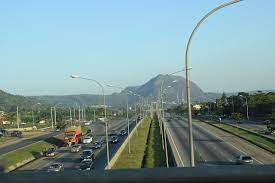
In the not-so-distant past, traversing the grandeur of Abuja’s cityscape after sunset was a sensory delight. From 1997 until the conclusion of President Olusegun Obasanjo’s administration, the city was a symphony of light, gracefully illuminated by its meticulously designed network of streetlights. This era blurred the boundary between night and day, enveloping the city in a luminous veil that not only enhanced its aesthetic appeal but also served as a formidable deterrent to criminal activities.
In pursuit of this vision, the administrators of the Federal Capital Territory (FCT) channelled substantial investments to craft an urban environment adorned with well-lit thoroughfares. The primary aim was to elevate the city’s visual appeal while bolstering safety, particularly for the motorists who traverse its streets.
Yet, in an enigmatic twist of fate, despite the substantial financial resources allocated for installing and maintaining streetlights, the lustre of Abuja’s yesteryears has waned. The spectre of non-functional streetlights casts a shadow over the cityscape, most conspicuously along key arteries, including Herbert Macaulay Way, Muhammadu Buhari Way in Jabi, Aminu Kano Crescent, Ahmadu Bello Way, the Area 1 route stretching from Dantata to Apo Bridge, and the Airport Road.
The genesis of this quandary is marked by intricate and multifaceted origins. Vandalism emerges as a prominent protagonist in this narrative, with malicious actors targeting streetlights, systematically causing damage and consigning significant portions of the city to the embrace of darkness. The saboteurs display a deliberate methodology, wielding the tools of destruction to sever cables and render the streetlights inoperative.
Furthermore, the erratic power supply by the Abuja Electricity Distribution Company (AEDC) stands as a contributing facet. As streetlights draw their vitality solely from the electrical grid, the recurring power disruptions have eroded their functionality. These protracted power outages not only thwart the intended operation of the streetlights but also provide the cloak of darkness that vandals exploit.
The underperformance of contractors previously tasked with maintaining the streetlights adds another complexity to this multifaceted challenge. Regrettably, many of these contractors failed to fulfil their contractual obligations, resulting in incomplete projects and systems in disrepair.
The malfunctioning streetlights have ushered in a surge in criminal activities across certain locales, as opportunistic wrongdoers leverage the cloak of darkness to execute a spectrum of unlawful deeds. Deliberate cable disconnections leave streets bereft of light, enabling these illicit activities to transpire with impunity.
Efforts have been marshalled to enhance security in these affected zones, yet the problem endures. The city’s residents are left grappling with the unwelcome consequences of this challenge, beset by feelings of vulnerability within the neighbourhoods they call home.
To rectify this multifaceted challenge, the Abuja Metropolitan Management Council (AMMC) has dedicated a substantial budget, surpassing a billion naira, toward addressing the issue. This allocation is designated for procuring 22 generator sets to power the city’s streetlights. To date, five of these generators have been meticulously installed, with plans for further expansion underway.
The overarching aspiration is that these strategic investments, complemented by the attentive stewardship of the new cadre of contractors overseeing maintenance, will breathe new life into Abuja’s luminous aspirations. The city is decisively progressing toward a well-illuminated, secure, and vibrant state, where the elegance of the night rivals the splendour of the day.
In conclusion, the intricate challenge of reinvigorating Abuja’s fading streetlights underscores the complexity that often attends to the stewardship of urban infrastructure. The intricate interplay of vandalism, capricious power supply, and contractor performance has led to a cityscape falling short of its full potential. Nonetheless, the unflagging determination to restore the city’s nighttime splendour remains unwavering. With the guidance of new contractors and fresh investments, Abuja is unswervingly poised to reclaim its status as a brilliantly illuminated, secure, and dynamic city where the night rivals the day’s grandeur and sophistication.
Oshioke Edmund,MEMBA 12