
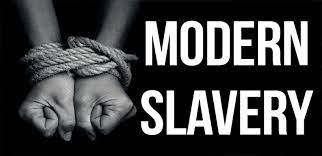
Modern-day slavery, also known as human trafficking, is a global issue that affects millions of people. It is a violation of human rights and a crime that exploits the most vulnerable populations. Despite the numerous international and national laws prohibiting slavery and human trafficking, the problem persists.
According to the International Labour Organization (ILO), an estimated 25 million people are currently trapped in forced labor worldwide. These people are subjected to various forms of exploitation, including sexual exploitation, forced labor in factories or agriculture, domestic servitude, and forced marriage. Children are particularly vulnerable, and many are forced to work in hazardous conditions or used as soldiers in armed conflicts.
Human trafficking is a profitable industry, generating billions of dollars each year for traffickers. The demand for cheap labor, sex, and other forms of exploitation fuels this illegal trade. People are trafficked across borders, within countries, and even within their own communities.
Traffickers use a variety of tactics to recruit victims, including false promises of a better life, coercion, and abduction. Once the victims are in their control, they are often subjected to physical and psychological abuse, threats, and intimidation to keep them in line. Many are isolated from their families and communities, making it difficult for them to seek help or escape.
One of the challenges in addressing modern-day slavery is the difficulty in identifying and prosecuting traffickers. The clandestine nature of the industry makes it hard to track down and apprehend those responsible. Additionally, many victims are afraid to come forward for fear of retribution or because they have been brainwashed into believing that their situation is their fault.
Governments, NGOs, and other organizations are working to combat human trafficking through a variety of initiatives. These include raising public awareness, providing support for victims, strengthening law enforcement, and improving international cooperation. However, much more needs to be done to eradicate this problem.
To prevent human trafficking, it is crucial to address the root causes, such as poverty, lack of education, and political instability. Governments must take steps to provide economic opportunities, education, and social services to vulnerable populations. They must also improve border security and crack down on corruption to prevent traffickers from operating with impunity.
Individuals can also play a role in preventing human trafficking by being aware of the signs of trafficking and reporting suspicious activities. They can also support organizations that work to combat trafficking and support victims.
Modern-day slavery is a heinous crime that violates human rights and exploits the most vulnerable populations. It is a global issue that requires a concerted effort from governments, NGOs, and individuals to combat. While progress has been made in raising awareness and implementing initiatives to address human trafficking, much more needs to be done to eradicate this problem. By addressing the root causes, improving law enforcement, and supporting victims, we can work towards a world where every person is free and treated with dignity and respect.
#MMBA4




 Standard Deviation.