

Analysis of Business Problems
We had a guest speaker in the person of Mr Dale Olasope, Vice-President, British Petroleum Global West Africa to help with the appreciation and application of ABP in solving business problems.
Mr Olasope shared with us the live case of British Petroleum, BP trying to return to the Nigerian petroleum sector after exiting the country in the 70s.
The business model in the 70s that did not work out due to bureaucratic issues with the Nigerian government was oil exploration, the organisation returned with the aim of doing business in the trading aspect of oil and gas changing the business model.
Upon its return, there was a perceived profitability of trading finished petroleum products such as gasoline, aviation fuel and premium motor spirit, PMS with a major opportunity to give PMS to NNPC under Direct Sale-Direct Purchase, DSDP agreement that would last for six months with payment to be made every sixty days.
Doing business with the NNPC, the Nigerian government and petroleum products marketers came with some ethical risks and trust issues that the company had to navigate without breaching the high ethical standards British Petroleum was known for.
There were two sides to the opportunity with NNPC; one was securing the approval of BP headquarters to proceed with the deal and the second was entering into a partnership with NNPC on a clean note.
The team had to apply the knowledge of ABP to solve the challenges.
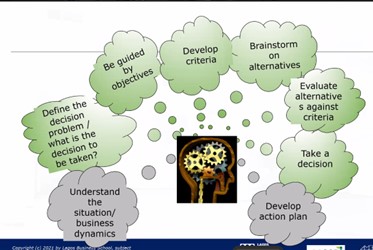
Analysis of the Case
- Problem Statement – British Petroleum was presented with a seemingly profitable business opportunity that came with ethical and trust risks. The company led by Mr Dale Olasope needed to decide the right course of action given the prevailing issues.
- Problem Objective – to leverage the partnership with NNPC to earn a new and sustainable profit stream
- Alternatives – Should BP enter the partnership with NNPC or maintain the status quo?
- Criteria – need assessment, profitability, and risk.
- Analysis –
a. Need Assessment – the analysis showed a desperate need for partnership from NNPC to avert a major national crisis. This favoured entering the partnership with NNPC
b. Profitability – the estimation of the partnership showed an opportunity for a business with great volume and wide margin, guaranteeing great and sustainable profitability and a gateway for future enlistment on NNPC’s swap deal programme. This also favoured entering the partnership with NNPC.
c. Risk – the risk is real and favoured not entering the partnership with NNPC although there was a possibility of de-risking them.
6. Decision – the need assessment and profitability analysis favoured entering the partnership with the NNPC supported by the possibility of de-risking. On these grounds, the team was able to convince the headquarters and secured the approval to proceed with the partnership.
7. Action Plan – the team entered the partnership with NNPC using a de-risking arrangement with a bank and the product marketers. In the end, the decision turned out to be the right decision because the NNPC did not default on the payment and all partners favourably benefited from the deal. The deal further qualified BP for consideration and enlistment in the subsequent swap deal of the NNPC.
In conclusion, the session was highly interactive and indeed helps our appreciation and application of the ABP course in solving business problems.
Further reading – https://www.premiumtimesng.com/business/business-news/293731-nnpc-bp-sign-six-month-deal-for-fuel-supply.html?tztc=1




 Salary Negotiation Trap