
In our daily lives, we are constantly making decisions based on a variety of factors, including our own biases. Biases are often unconscious and can lead us to make decisions that are not based on rational or logical thinking. To make more informed and effective decisions, it is important to learn how to outsmart our own biases.
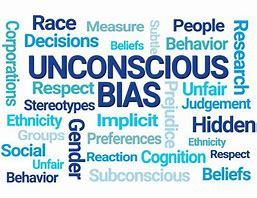
One of the first steps in outsmarting our biases is to recognize when they are present. Biases can take many forms, such as confirmation bias, where we seek out information that supports our existing beliefs, or the framing effect, where we make different decisions based on how information is presented to us. By being aware of these biases, we can begin to take steps to counteract their influence on our decision-making.
Seeking out diverse perspectives is another effective strategy for outsmarting our biases. When making decisions, it is important to consider information from a variety of sources with different viewpoints. This can help to counteract any biases that may be present and provide a more well-rounded understanding of the situation. For example, if you are considering whether to invest in a particular company, you might seek out opinions from financial experts with different backgrounds and experiences.
Another strategy for outsmarting biases is to challenge our assumptions. We often make decisions based on assumptions and beliefs that we have developed over time. These assumptions can be influenced by a variety of factors, such as our upbringing, education, and personal experiences. By actively seeking out information that contradicts our assumptions, we can broaden our perspective and reduce the influence of confirmation bias. For example, if you are considering whether to pursue a particular career path, you might seek out information about the job market and the skills required for success, even if this information contradicts your preconceived notions about the field.
Considering the opposite is another effective strategy for outsmarting biases. When making decisions, we often focus on the most likely outcomes and fail to consider alternative scenarios. By deliberately considering the opposite viewpoint or outcome, we can reduce overconfidence bias and ensure that we are considering all possible outcomes. For example, if you are considering whether to make a particular investment, you might consider the potential downsides of the investment and the possibility that it may not generate the returns you expect.
Decision-making frameworks can also be helpful in outsmarting our biases. These frameworks provide a structured approach to decision-making and can help us to reduce the influence of biases. For example, a cost-benefit analysis can help us to objectively weigh the potential costs and benefits of a decision, while a SWOT analysis can help us to identify the strengths, weaknesses, opportunities, and threats associated with a particular decision.
Taking a break from decision-making can also help to reduce the influence of biases. Sometimes, we can become so entrenched in our own thinking that we fail to consider alternative viewpoints or information. Taking a step back from a decision can help us to gain a fresh perspective and reduce the influence of biases. For example, if you are struggling to make a decision about a particular issue, you might take a break and engage in a different activity, such as exercise or meditation, before returning to the decision.
In conclusion, biases can have a significant impact on our decision-making, leading us to make decisions that are not based on rational or logical thinking. To outsmart our own biases, it is important to be aware of them, seek out diverse perspectives, challenge our assumptions, consider the opposite, use decision-making frameworks, and take breaks from decision-making. By taking these steps, we can make more informed and effective decisions that are less influenced by our own biases.
#MMBA4



