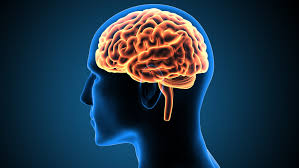
The term “neuroplasticity,” also referred to as “brain plasticity,” describes the brain’s capacity to modify itself in response to experience. This extraordinary property of the brain enables us to learn, develop new talents, and heal from wounds. It is essential to comprehend the principles underlying neuroplasticity in order to create effective therapies for neurological diseases and accidents as well as for issues with cognitive and emotional functioning.
The examination of problems is one of the areas where neuroplasticity has a big impact. In many areas of life, from academic and professional work to interpersonal interactions, the capacity for problem-analysis is essential. However, some people could have trouble solving problems because of cognitive, emotional, or neurological issues. Individuals can build and enhance their problem-solving abilities by being aware of the role that neuroplasticity plays in this process.
The capacity to create and assess viable solutions to a given problem is at the heart of problem-solving. The brain’s capacity to create and strengthen neuronal connections is necessary for this process. The brain creates new connections between neurons when we learn something new, such as a new math concept or a new method to approach a social issue. Practice makes these linkages stronger, and time makes them more effective and routine.
However, when faced with a challenge that is outside the realm of our knowledge or experience, our minds could find it difficult to come up with solutions. Lack of necessary information or experience, as well as cognitive or emotional issues like stress or worry, may all contribute to this. In these circumstances, neuroplasticity can significantly aid in problem-solving.
New and difficult tasks can excite the brain to create new connections and enhance old ones, according to research. By broadening their knowledge and experience base, this procedure, also known as brain training, can assist people in improving their problem-solving abilities. A student who is having trouble answering a math problem, for instance, can benefit from brain-training exercises that test their spatial reasoning and problem-solving abilities.
Through the practice of mindfulness, neuroplasticity can also help in problem-solving. Being mindful means being conscious of one’s thoughts, feelings, and physical sensations in the present. According to research, mindfulness techniques can enhance neuroplasticity by fortifying the connections between various brain regions involved in attention and emotional control. Individuals may be able to approach issues in a more rational and emotionally stable way as a result, which will improve the way they come up with and assess potential solutions.
Neuroplasticity, however, can potentially have detrimental effects on problem-solving abilities. For instance, studies have shown that long-term stress exposure can alter the structure and function of the brain, affecting cognitive abilities like problem-solving. Similar long-term brain alterations that affect one’s capacity for decision-making and problem-solving might result from drug or alcohol addiction.
Individuals can identify potential obstacles to effective problem-solving and develop ways to overcome them with the aid of an understanding of the function of neuroplasticity in this process. This may entail practicing mindfulness or engaging in brain-training exercises, as well as addressing underlying cognitive or emotional issues that may be causing problems with problem-solving.
In conclusion, neuroplasticity is a unique property of the brain that enables learning, acquiring new skills, and healing from wounds. In order to create successful treatments for neurological diseases and injuries as well as for issues with cognitive and emotional functioning, it is essential to understand the principles behind neuroplasticity. Individuals can hone their problem-solving abilities, get beyond potential obstacles to effective problem-solving, and succeed more in academic, professional, and personal spheres by understanding the function of neuroplasticity in problem-solving.