
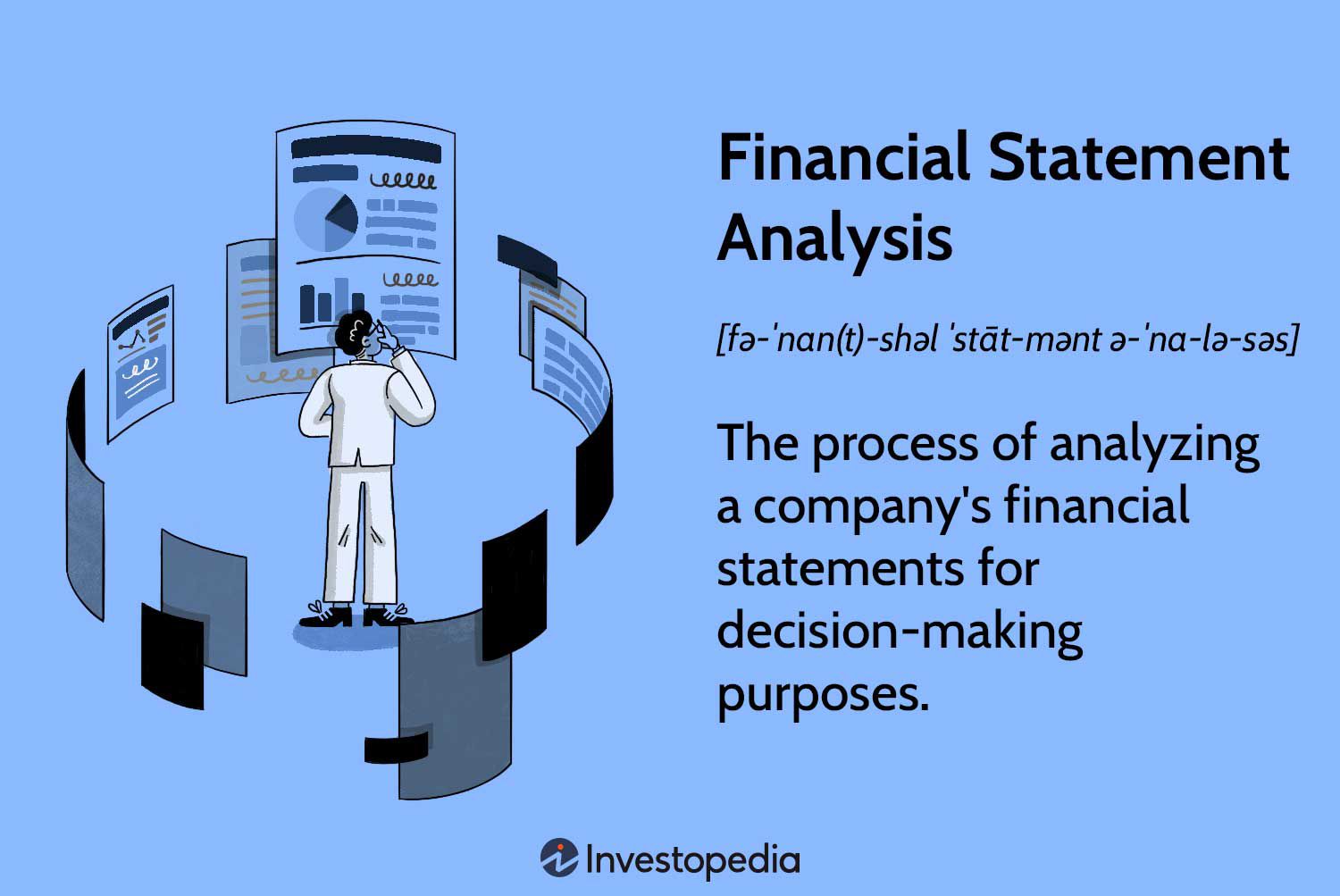
In this series, we will focus on investor ratios, which are used to assess a company’s attractiveness as an investment opportunity. These ratios provide insights into the company’s financial performance from an investor’s perspective and help investors make informed decisions about whether to invest in a company’s stock or bonds. Some of the key investor ratios are Price-to-Earnings (P/E) ratio, Dividend Yield, Earnings Per Share (EPS), and Price-to-Sales (P/S) ratio.
The Price-to-Earnings (P/E) ratio is one of the most commonly used investor ratios. It is calculated by dividing the current market price of a company’s stock by its earnings per share (EPS). The P/E ratio reflects the market’s expectation of a company’s future earnings growth and is often used to assess the relative value of a stock. A high P/E ratio may indicate that the market has high expectations for a company’s future earnings growth, while a low P/E ratio may suggest that the market has lower expectations.
The Dividend Yield is calculated by dividing the annual dividend per share by the current market price per share. It indicates the percentage of a company’s stock price that is returned to shareholders in the form of dividends. The Dividend Yield is often used by income-oriented investors to assess the income potential of a stock. A high Dividend Yield may indicate that a company pays out a significant portion of its earnings as dividends, while a low Dividend Yield may suggest that a company retains more earnings for reinvestment or other purposes.
Earnings Per Share (EPS) is calculated by dividing a company’s net earnings by the number of outstanding shares of its common stock. It reflects the portion of a company’s profit that is attributable to each share of its stock. EPS is an important indicator of a company’s profitability and is often used by investors to assess a company’s earnings growth potential. Higher EPS generally indicates higher profitability and may be viewed positively by investors.
The Price-to-Sales (P/S) ratio is calculated by dividing the current market price of a company’s stock by its revenue per share. It is used to assess the relative value of a stock in relation to its sales. The P/S ratio is commonly used in industries where earnings are not the primary indicator of a company’s financial performance, such as in the case of start-ups or companies with negative earnings. A low P/S ratio may indicate that a stock is undervalued, while a high P/S ratio may suggest that a stock is overvalued.
In addition to these key investor ratios, other important metrics used by investors include the Price-to-Book (P/B) ratio, which compares a company’s market price to its book value per share, and the Return on Equity (ROE), which measures a company’s profitability in relation to its shareholders’ equity. These ratios provide valuable insights into a company’s financial performance and help investors make informed decisions when evaluating investment opportunities.
In the next series, we will review solvency and gearing ratios, which assess a company’s ability to meet its long-term debt obligations and the proportion of debt in its capital structure. Stay tuned for more insights on financial analysis!
References
- Investopedia. (2022). Cash Ratio: Definition, Formula, and Example. [Online]. Investopedia. Available at: https://www.investopedia.com/terms/c/cash-ratio.asp#:~:text=The%20cash%20ratio%20is%20a%20liquidity% [Accessed 8 April 2023].
- Kaplan. (2021). Strategic Business Reporting (SBR-INT/UK). Unit 2 The Business Centre Molly Millar’s Lane Wokingham Berkshire RG41 2QZ: Kaplan Publishing UK. pp.558-595.



