
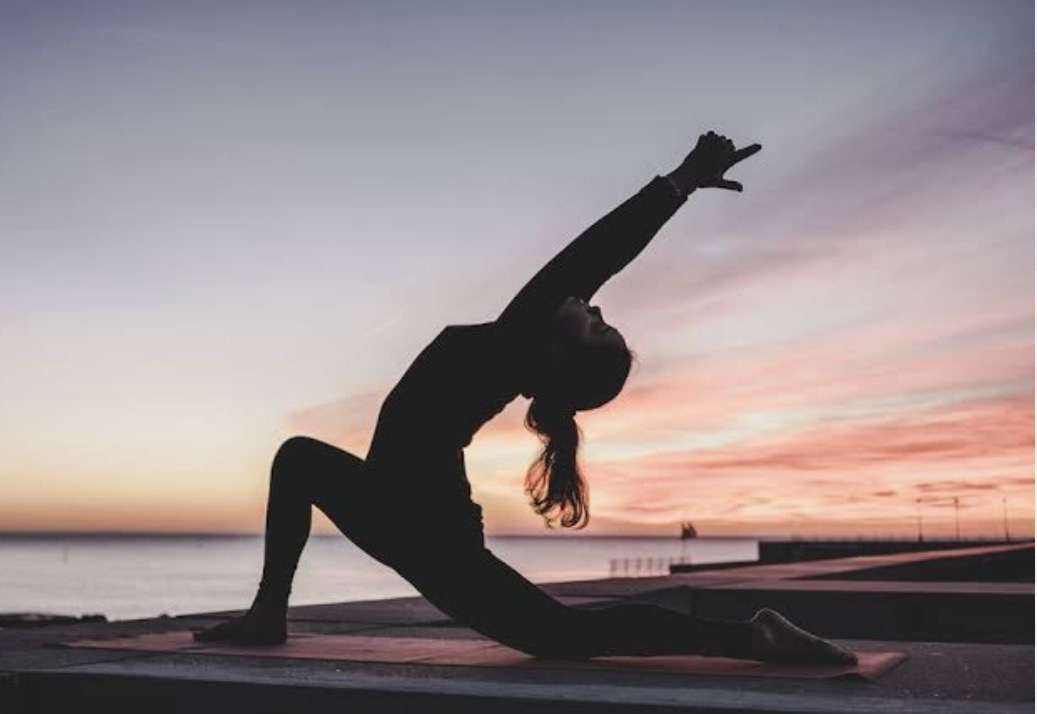
Exercise is an essential component of a healthy lifestyle. It offers numerous physical and mental health benefits and can improve our overall quality of life. Regular exercise has been shown to reduce the risk of chronic diseases such as heart disease, stroke, and diabetes, as well as improve our mood, cognitive function, and sleep quality.
One of the most significant benefits of exercise is its ability to improve cardiovascular health. Regular exercise can help to reduce blood pressure, lower cholesterol levels, and improve circulation. These effects can help to reduce the risk of heart disease and stroke, two of the leading causes of death worldwide.
Exercise also plays an important role in weight management. By burning calories and increasing muscle mass, exercise can help to maintain a healthy body weight and reduce the risk of obesity. Obesity is a significant risk factor for a variety of health problems, including diabetes, cancer, and cardiovascular disease.
In addition to its physical health benefits, exercise can also improve our mental health. Exercise has been shown to reduce symptoms of depression, anxiety, and stress, as well as improve our mood and cognitive function. Regular exercise can also improve sleep quality, which is essential for overall health and well-being.
There are many different types of exercise, and each offers its unique set of benefits. Aerobic exercise, such as running or cycling, is excellent for improving cardiovascular health and burning calories. Strength training, such as weight lifting or resistance training, can help to increase muscle mass and bone density. Yoga and other forms of mind-body exercise can help to reduce stress and improve flexibility and balance.
It is essential to engage in regular exercise to experience its benefits fully. The World Health Organization recommends that adults engage in at least 150 minutes of moderate-intensity exercise or 75 minutes of vigorous-intensity exercise per week. This can be achieved through activities such as brisk walking, jogging, cycling, swimming, or participating in sports or fitness classes.
While exercise can provide numerous benefits, it is essential to take precautions to ensure that we exercise safely. This may involve warming up and cooling down properly, wearing appropriate clothing and footwear, staying hydrated, and avoiding overexertion. It is also important to consult with a healthcare professional before beginning an exercise program, especially if you have any pre-existing medical conditions.
Exercise is a crucial component of a healthy lifestyle. It offers numerous physical and mental health benefits, including reducing the risk of chronic diseases, improving mood and cognitive function, and promoting healthy weight management. By taking precautions to exercise safely, we can enjoy the many benefits of exercise and improve our overall quality of life.
#MMBA4




 The Religious Hustle Pastor-prenuership Empire: Exploiting People’s Faith – Final