
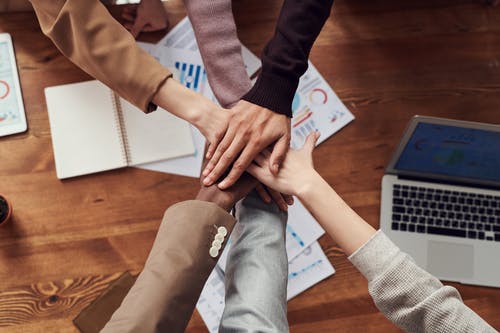
TEAM BUILDING
Team building is the process of bringing a group of individuals together to form a cohesive and high-performing team. It involves activities, exercises, and strategies aimed at developing and enhancing relationships, communication, trust, and collaboration among team members. Team building is crucial for fostering a positive team culture, improving team dynamics, and achieving shared goals.
Team-building activities can take many forms, ranging from simple icebreakers and trust-building exercises to more complex problem-solving challenges and team-building workshops. These activities are designed to encourage team members to work together, communicate effectively, understand and appreciate each other’s strengths and differences, and build trust and camaraderie.
Team building serves several important purposes within a team:
- Relationship building: Team building activities provide opportunities for team members to get to know each other on a personal level, build rapport, and develop positive relationships. When team members have a good relationship and trust each other, it can lead to improved communication, collaboration, and teamwork.
- Communication improvement: Effective communication is critical to successful teamwork. Team building activities can help team members practice and improve their communication skills, including active listening, expressing ideas clearly, and resolving conflicts in a constructive manner. Improved communication can reduce misunderstandings and promote effective collaboration within the team.
- Trust building: Trust is the foundation of any successful team. Team building activities can foster trust among team members by creating a safe and supportive environment where individuals can share ideas, express concerns, and rely on each other. Trust promotes open communication, cooperation, and mutual respect among team members.
- Collaboration enhancement: Team building activities often require team members to work together towards a common goal, fostering collaboration and cooperation. By working together in a non-threatening and inclusive environment, team members can learn to leverage each other’s strengths, pool their resources, and achieve shared objectives.
- Problem-solving skills development: Team-building activities often involve problem-solving challenges that require teams to work together to find solutions. These activities can help team members develop critical thinking skills, creativity, and problem-solving strategies that can be applied to real-world team tasks and challenges.
- Motivation and engagement: Team building activities can boost team members’ motivation and engagement by providing opportunities for fun, excitement, and shared experiences. High levels of motivation and engagement can positively impact team performance and productivity.
Team building is an ongoing process that requires regular attention and effort. It is important for team leaders to select activities that are relevant to their team’s needs, goals, and interests, and to debrief and reflect on the outcomes of team-building activities to identify areas for improvement.
In conclusion, team building is a critical process for fostering effective teamwork and achieving shared goals. It involves activities and strategies aimed at developing relationships, communication, trust, collaboration, problem-solving skills, motivation, and engagement among team members. Team building activities can help create a positive team culture, improve team dynamics, and enhance overall team performance.
#MMBA4



