
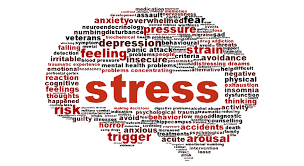
Stress according to WHO is defined as a state of worry or mental tension caused by a difficult situation. Stress is a natural human response that prompts us to address challenges and threats in our lives (demands, pressures know as stressors).
It disrupts the state of balance among all body systems needed for survival and proper functioning. It affects the mind and the body.
It is natural to feel stressed in challenging situations such as job interviews, school exams, unrealistic workloads, an insecure job, or conflict with family, friends or colleagues.
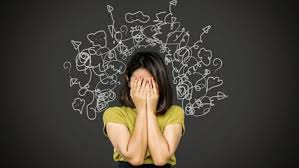
As humans, we all experience stress to varying degree. When the body perceives a stressor, it initiates a response to cope. A little bit of stress is good and can help us perform our daily tasks. Too much stress or if it continues for too long (prolonged) can cause physical and mental health problems.
Some of the many effects of stress especially when prolonged or chronic which might have cumulative and long-term impacts on overall well-being:
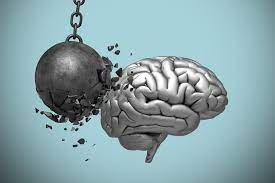
- It releases stress hormones (cortisol/ adrenaline) which could cause increased anxiety, mood changes, irritability, depression and behavioral changes.
- It can cause muscle tension leading to tension headaches, muscular pain and stiffness. It also causes musculoskeletal disorders if prolonged.
- It affects the Gastrointestinal system and cause abdominal pain, nausea, change in appetite (either loss or increased appetite), indigestion, can affect absorption and also some GI disorders.
- It causes menstrual irregularities, reduced libido and fertility issues and could affect pregnancy.
- It can trigger or worsen skin conditions like acne, eczema, allergies.
- It could cause increased heart rate and blood pressure, cause heart attack or stroke.
- It causes restlessness, difficulty in concentration, trouble sleeping, dependency on alcohol, tobacco and other substances.
Coping styles and stress symptoms vary from person to person, not everyone would experience all the effects. Most of us manage stress well and continue to function. The way we respond to stress and stressful situations differs. However, it makes a big difference to our overall well-being.
Learning how to cope with stress can help us feel less overwhelmed, little or no interference with our daily life and support our mental and physical well-being. For many people stress reduces over time as the situation improves or as they learn to cope emotionally with the situation.
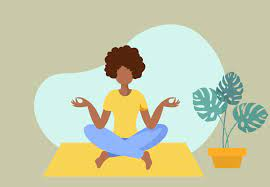
To manage stress some coping mechanism could be:
- Keep a daily routine
Having a daily schedule can help us use our time efficiently and feel more in control.
- Get plenty of sleep
Getting enough sleep is important for both body and mind. Sleep repairs, relaxes and rejuvenates our body and can help reverse the effect of stress.
sleep hygiene:
- Be consistent. Go to bed at the same time each night and get up at the same time each morning, including on the weekends.
- If possible, make your sleeping area quiet, dark, relaxing and at a comfortable temperature.
- Limit your use of electronic devices, such as TVs, computers and smart phones, before sleeping.
- Avoid large meals, caffeine and alcohol before bedtime.
- Get some exercise. Being physically active during the day can help you fall asleep more easily at night.
- Connect with others
Keep in touch with family and friends, share your concerns and feelings with people you trust. Connecting with others can lift our mood and help us relax.
- Eat healthy
What we eat and drink can affect our health. Try to eat a balanced diet and to eat at regular intervals. Drink enough fluids. Eat lots of fresh fruits and vegetables if you can.
- Exercise regularly
Regular daily exercise can help to reduce stress. This can include walking, as well as more intensive exercise.
- Limit time following news
Limit the time you spend following the news on television or social media if it increases your stress.
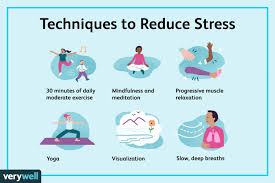
It is important we recognize when we are stressed and try to manage the situation well.




 Always find reasons to be grateful