
Functional beverages have grown in popularity in recent years as people seek ways to improve their health and well-being. These drinks are marketed as providing health benefits other than hydration, such as increased energy, improved cognitive function, and stress reduction. While some functional beverages may be beneficial, it is critical to examine the claims made by these products and understand the science behind them.
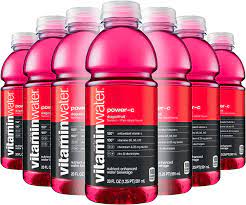
To begin, the term “functional beverage” is unregulated, and there is no clear definition of what constitutes a functional beverage. This lack of regulation can result in misleading marketing claims, making it difficult for consumers to distinguish between products that are truly beneficial and those that are simply marketing gimmicks. As a result, before incorporating functional beverages into their diet, consumers should conduct their own research and consult with a healthcare professional.
One of the most frequently made claims by functional beverage manufacturers is that their products can improve cognitive function, such as memory and focus. While there is some evidence to back up this claim, science is still in its infancy. Caffeine and L-theanine, for example, have been shown in some studies to improve cognitive function, but the effects may vary depending on the individual and the dosage used. Furthermore, some functional beverages may contain ingredients that have not been thoroughly researched, making it difficult to determine their efficacy.
Another common claim made by manufacturers of functional beverages is that their products can increase energy levels. While some ingredients, such as caffeine and guarana, are known to have stimulant properties, the effects may vary depending on the individual and the dosage used. Furthermore, some functional beverages may contain added sugars, which can provide a temporary energy boost but eventually lead to a crash and negative health consequences.
Functional beverages are also promoted as having stress-relieving properties, such as calming effects and anxiety reduction. While some ingredients, such as adaptogens, have been shown to reduce stress, research is still in its early stages. Furthermore, some functional beverages may contain other ingredients that have not been thoroughly researched, making it difficult to determine their efficacy.
It’s also worth noting that not all functional beverages are the same. Some may contain excessive amounts of added sugars, preservatives, and other additives that can be harmful to one’s health. As a result, consumers should carefully read the ingredient labels of functional beverages and select products with natural ingredients and minimal added sugars.
To summarize, functional beverages can be a convenient way to supplement a healthy diet and lifestyle, but you should be skeptical of the claims made by these products and conduct your own research before incorporating them into your diet. While some functional beverages may have beneficial effects, it is critical to understand the science behind them and select products with natural ingredients and minimal added sugars. A healthcare professional can also provide personalized advice on whether functional beverages are appropriate for you and which products may be most beneficial for your health goals




 THE SMART GUIDE TO BUSINESS WRITING.