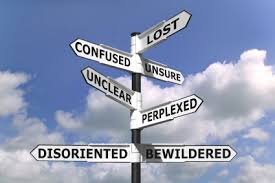

In our last classes in ABP, we Xray the effects of psychological traps in decision making, especially for executives who face complex and uncertain situations every day. We also saw some possible consequences of falling into these traps. Some of which are:
- Making poor choices based on irrelevant or inaccurate information
- Wasting time and resources on unproductive or harmful actions
- Being overconfident or underconfident in one’s judgements
- Misframing or misinterpreting the problem or the goal
- Missing out on better alternatives or opportunities
- Failing to learn from mistakes or adapt to changing circumstances
- Ignoring or dismissing feedback or evidence that contradicts one’s belief
- Being influenced by emotions, biases, or stereotypes
The lecturer stressed the fact that psychological traps can impair our ability to think rationally and objectively and can lead to suboptimal or disastrous outcomes for ourselves and our organization. Therefore, it is important to be aware of them and try to avoid them as much as possible.
In this article, I will delve into some of the major Psychological traps.
Psychological traps are patterns of thinking or behaviour that lead us to make bad decisions or act in ways that are not in our best interest. They are often caused by cognitive biases, heuristics, or irrational beliefs that distort our perception of reality. Some examples of psychological traps are:
- Hindsight bias: The tendency to think that we knew something was going to happen after it has happened, even though we had no way of predicting it.
- Availability heuristic: The tendency to judge the likelihood of an event based on how easily we can recall examples of it, rather than on how common it actually is.
- Actor-observer effect: The tendency to attribute our own actions to situational factors, but other people’s actions to their personality traits.
- Illusory correlation: The tendency to see a causal relationship between two events that are not actually related, or to overestimate the strength of the relationship.
- Barnum effect: The tendency to accept vague or general statements as accurate descriptions of ourselves or our situation, especially if they are flattering or positive.
- Sunk cost fallacy: The tendency to continue investing in a losing course of action, because we have already invested a lot and do not want to waste it.
- Confirmation bias: The tendency to seek out, interpret, and remember information that confirms our pre-existing beliefs, and to ignore or discount information that contradicts them.
- Self-serving bias: The tendency to take credit for our successes but blame external factors for our failures.
Psychological traps can be harmful because they can prevent us from making rational and optimal choices, and they can also affect our self-esteem, relationships, and well-being. To avoid falling into psychological traps, we need to be aware of them and try to challenge our assumptions, seek out different perspectives, and use objective evidence whenever possible.
References
(1) Psychological Traps. What Are They? – Psi Counsel. http://www.psicounsel.com/earlcurley/chapter2.html.
(2) The 5 Psychological Traps We All Fall Into | Psychology Today. https://www.psychologytoday.com/us/blog/cutting-edge-leadership/201410/the-5-psychological-traps-we-all-fall.
(3) The Root Causes of Unethical Behavior – A Peer-Reviewed Academic …. https://gbr.pepperdine.edu/2010/08/the-root-causes-of-unethical-behavior/.
(4) Could You Be in One of These 8 Psychological Traps? – Clearer Thinking. https://www.clearerthinking.org/post/could-you-be-in-one-of-these-8-psychological-traps.
(5) The Hidden Traps in Decision Making – Harvard Business Review. https://hbr.org/1998/09/the-hidden-traps-in-decision-making-2.



