
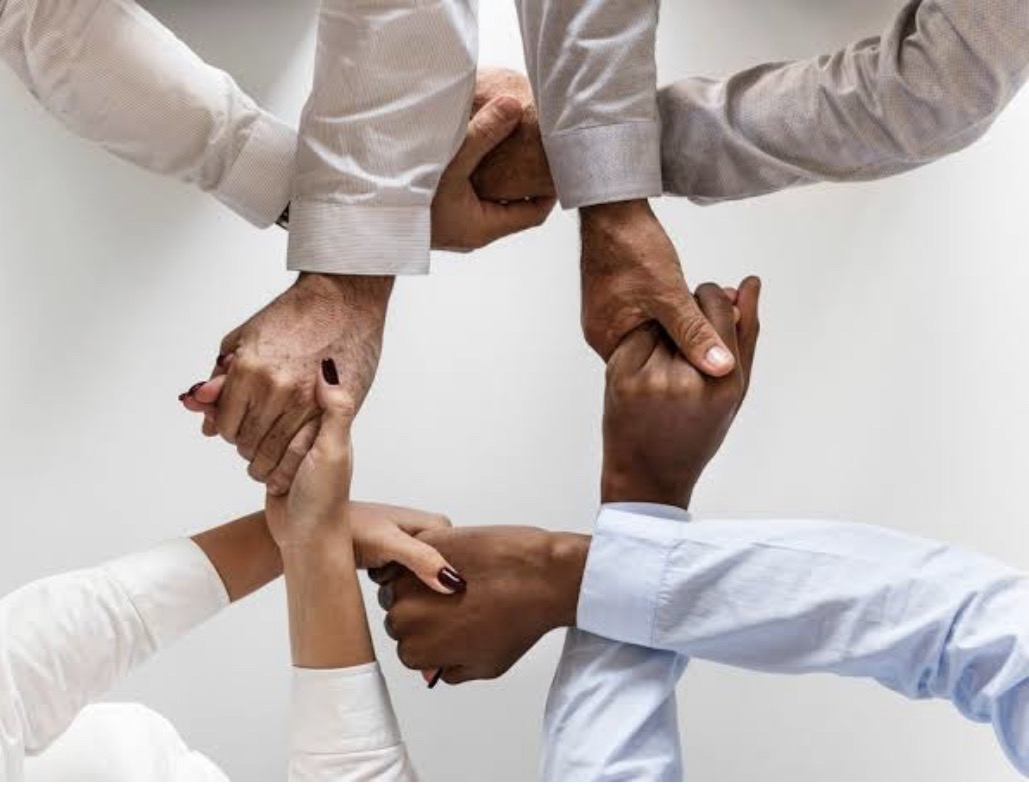
Team building refers to the process of creating a strong and cohesive team that works together effectively and collaboratively. For a group of people to become and survive as a team there must be cohesion. A team without cohesion is prone to self-destruction and can become easy prey.
Characteristics of an effective team include:
- Increased trust: They trust one another. Trust is essential for team members to work well together. When team members trust one another, they are more likely to share ideas, collaborate effectively, and take risks. Team building activities can help build trust by encouraging team members to get to know each other on a more personal level, building rapport, and developing a sense of camaraderie.
There are critical elements in trustworthiness.
- Credibility (competence and professionalism)
- Reliability (integrity)
- Intimacy (relationship)
Self-centeredness will erode trust. There is a need to keep a good credit balance.
Credibility +Reliability+ Intimacy = Trustworthiness
Self-centered
- Improved communication: Effective communication is crucial for any team to work together successfully. Team building activities can help team members learn how to communicate more effectively and build better relationships with one another. By practicing communication skills through team building activities, team members can learn to be better listeners, speak up more confidently, and express their ideas more clearly.
Team building activities are designed to foster better communication, build trust, and enhance collaboration among team members. When done well, team building can have a wide range of benefits for organizations and teams.
- Enhanced collaboration: Collaboration is key for teams to achieve their goals. Team building activities can help break down silos and encourage team members to work together more effectively. By fostering collaboration, team building can help teams accomplish more together than they could as individuals.
- Improved problem-solving skills: Team-building activities often involve solving problems or completing challenges together. These activities can help team members develop problem-solving skills, such as critical thinking, brainstorming, and decision-making. These skills can then be applied to real-world challenges and help teams become more innovative and effective.
- Increased productivity: Team building activities can help teams become more productive by fostering a sense of shared purpose and commitment. When team members feel part of a strong and supportive team, they are more likely to be motivated and engaged in their work. This can lead to increased productivity and better outcomes for the organization.
- Enhanced creativity: Team building activities can help teams become more creative by encouraging them to think outside the box and develop new and innovative ideas. By engaging in activities that require creativity, teams can develop this skill and apply it to their work.
- Improved morale: Team building activities can help boost morale by creating a positive and supportive work environment. When members feel part of a solid and cohesive team, they are more likely to be happy and satisfied with their work.
- Enhanced leadership skills: Team building activities can also help develop leadership skills among team members. By encouraging team members to take on leadership roles, teams can build a more collaborative and democratic culture where everyone feels empowered to contribute and lead when needed.
In conclusion, team building is a critical component of creating a strong and effective team. We must learn these interpersonal skills which include listening, asking questions, challenging assumptions, building, and supporting each other, giving space and bringing others in, emotional awareness, and courage.




 Moving from Framing Bias to Framing Effect