
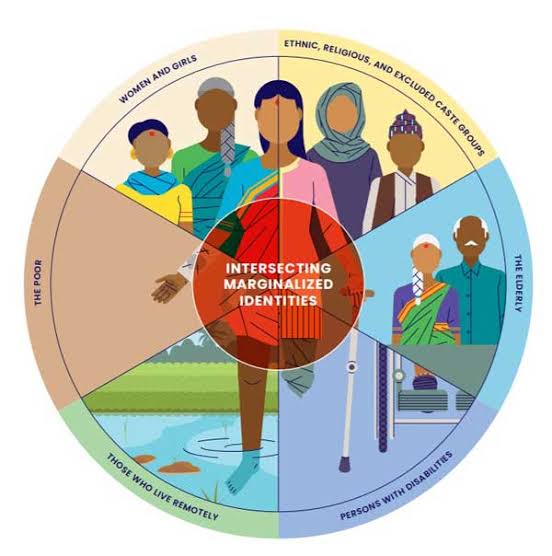
Social Change and Diversity: Navigating Challenges and Embracing Differences Social change is a phenomenon that has occurred throughout history, as societies have evolved and adapted to new circumstances. These changes can often be difficult, particularly in regards to diversity, as differing values, beliefs, and backgrounds can result in tension and conflict. However, navigating these challenges and embracing differences is essential for creating a more just and equitable world.Diversity encompasses a wide range of dimensions, including race, ethnicity, gender, sexual orientation, age, religion, and socioeconomic status, among others. Each of these dimensions has unique challenges and barriers that must be addressed to create a more inclusive and equitable society. One significant challenge in creating social change and embracing diversity is the tendency for people to gravitate towards those who are similar to themselves, resulting in a lack of exposure to individuals outside of their own communities. This homogeneity can perpetuate stereotypes and bias, hindering progress towards a more inclusive and equitable society. There are various approaches to addressing this issue. One effective technique is to actively seek out opportunities to engage with individuals from diverse backgrounds, be it through community involvement, attending events or experiencing different cultures. Another approach is to encourage diversity in the workplace, particularly in leadership positions. Diversity in leadership helps organizations stay relevant and innovative, as varied perspectives often lead to better decision making. Furthermore, it has been proven that companies and organizations with diverse leadership teams tend to be more successful, improve employee satisfaction, and have greater social impact. Addressing systemic barriers and unconscious bias is also a crucial step in creating social change and embracing diversity. As society evolves, historical and cultural biases can become embedded in policies, practices, and attitudes that create barriers for many diverse groups. Awareness, advocacy and support for fundamental policy reform can help change discriminatory rules and practices in employment, housing, education, voting and other aspects of life to actively support inclusion and equity. For instance, promoting inclusivity in the workplace through policies and programs that provide mentoring, open communication, and flexible work arrangements can help reduce barriers for women and minorities. Additionally, actively engaging Black, Indigenous, and People of Color (BIPOC) to address systemic racism and increase the representation of diverse voices, as well as acknowledging the lived experiences and histories of marginalised communities, can lead to a more equitable society. Education plays a crucial role in creating social change and increasing awareness and understanding of diversity. Schools can create an environment in which students learn from each other and celebrate differences through curricula that reflect diverse perspectives, anti-bias training for both students and faculty, and support diversity clubs or student-led diversity initiatives. The media also plays a crucial role in shaping societal attitudes towards diversity. Inaccurate or biased representations of diverse groups can perpetuate harmful stereotypes, while positive and varied representation can help promote acceptance and understanding. Efforts must be made to create diverse media that includes accurate and varied depictions of diverse groups, their experiences, and contributions. In conclusion, creating social change and embracing diversity requires a multi-faceted approach that addresses unconscious bias, systemic barriers, and lack of exposure to diverse groups. It involves actively engaging people from diverse backgrounds, promoting inclusivity in the workplace, addressing historical and cultural biases, and educating others on the importance of inclusivity and diversity. It is also important to remember that social change is an ongoing process that requires consistent effort and dedication. As individuals, we can strive to embrace diversity by actively seeking out opportunities to engage with those from different backgrounds, educating ourselves on issues related to diversity and social justice, and speaking out against discrimination and inequality. As organizations and society as a whole, we must work to create policies, programs and initiatives that are more inclusive and equitable, and establish a culture that values diversity and recognizes the potential for positive change in fostering inclusion.Ultimately, embracing diversity is not just a moral imperative, but a practical one as well. Diverse perspectives promote innovation and creativity, bringing new and valuable ideas and solutions to all areas of life. By embracing diversity and working towards social change, we can create a society that is fairer, more just, and more productive, where everyone has the opportunity to thrive and achieve their full potential.



