
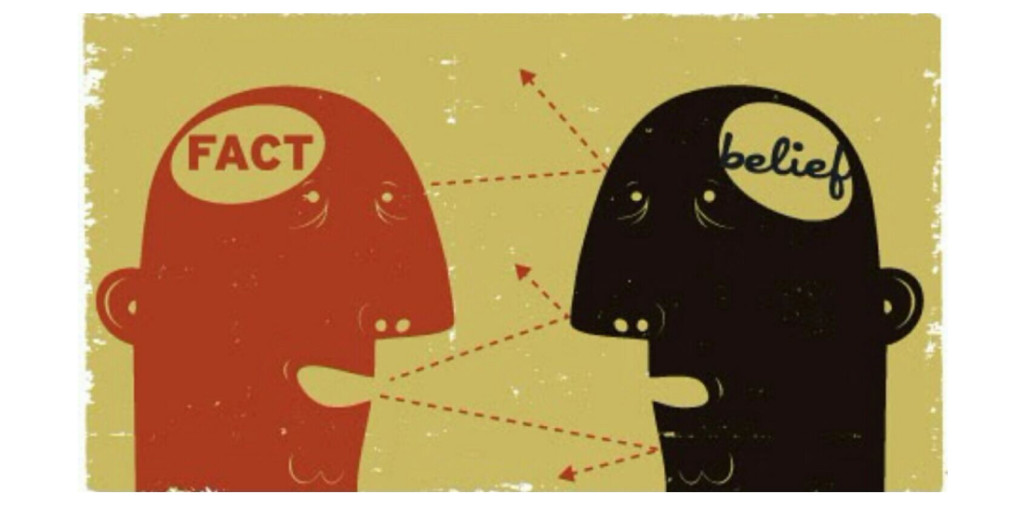
As an MBA student or professional, it is crucial to understand the different types of biases that can impact decision-making. Bias refers to the tendency to make judgments or decisions based on preconceived notions, emotions, or personal preferences rather than objective facts or logic. In this blog post, we will explore some common types of bias in decision-making with examples.
- Confirmation Bias: Confirmation bias is the tendency to seek out information that supports our existing beliefs and ignore information that contradicts them. For instance, a marketing executive may believe that social media is the most effective channel for their target audience and therefore only look at data that supports this belief, rather than considering other channels like email marketing.
- Availability Bias: Availability bias occurs when we make judgments or decisions based on information that is easily accessible or readily available to us, rather than considering all relevant data. For example, a product manager may assume that a particular product feature is essential because it is frequently requested by customers, without considering whether it is the most valuable or profitable feature.
- Anchoring Bias: Anchoring bias is the tendency to rely too heavily on the first piece of information we receive when making decisions. For instance, a hiring manager may fixate on a candidate’s alma mater or previous job title, even if it is not directly relevant to the role they are applying for, leading to a biased evaluation of the candidate.
- Overconfidence Bias: Overconfidence bias occurs when we have an excessive belief in our own abilities or judgments, leading us to overestimate our chances of success or underestimate risks. For instance, a business owner may believe that they have a unique and foolproof strategy for growth, leading them to take on excessive risk without adequately considering potential obstacles or market conditions.
- Sunk Cost Fallacy: The sunk cost fallacy refers to the tendency to continue investing time, resources, or money into a project or decision, even when it is no longer rational to do so. For example, a company may continue to invest in a product even though it is not profitable, simply because they have already invested significant resources into its development and marketing.
Bias can impact decision-making in several ways. Here are some examples:
- Filtering Information: Our biases can lead us to filter out information that contradicts our preconceived notions or beliefs, and focus only on information that confirms them. This can lead to incomplete or distorted understanding of the situation and may result in biased decisions.
- Emotions: Emotions can cloud our judgment and influence our decision-making. For example, if we are angry, we may make hasty decisions without fully considering the consequences. Similarly, if we are overly attached to a particular outcome, our emotions may influence us to make biased decisions.
- Stereotyping: Our biases can lead us to stereotype people or situations, leading us to make assumptions that may not be accurate. This can lead to biased decisions, such as making hiring decisions based on someone’s race, gender, or ethnicity rather than their qualifications or skills.
- Anchoring: Our biases can lead us to anchor our decisions on the first piece of information we receive. For example, if a product manager receives a customer complaint about a particular feature, they may immediately assume that the feature is not valuable without fully considering other factors.
- Personal Preferences: Our personal preferences and biases can influence our decision-making. For instance, a business owner may have a personal preference for a particular product or service, leading them to make biased decisions that favor that product or service.
In conclusion, biases in decision-making can lead to suboptimal outcomes for businesses. By being aware of common biases and taking steps to mitigate them, MBA students and professionals can make more informed and rational decisions that ultimately benefit their organizations. Biases can impact our decision-making in various ways. By being aware of our biases and taking steps to mitigate them, we can make more informed and rational decisions that ultimately benefit our businesses.



 CFA: ACCOUNTS & STATEMENTS