
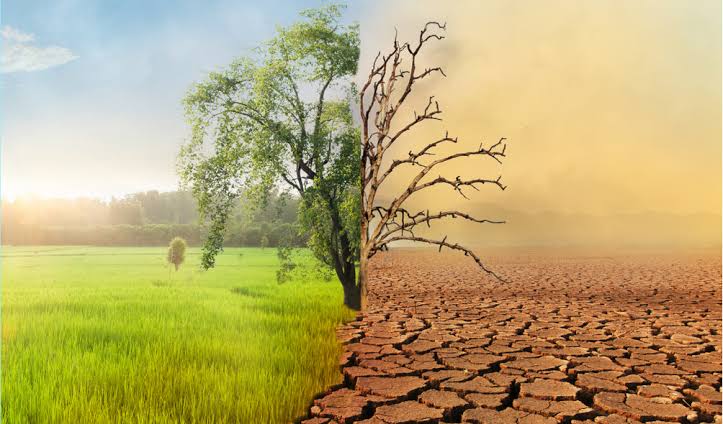
Climate change is one of the most pressing global challenges of our time. It is caused by human activities, primarily the burning of fossil fuels, and has resulted in rising global temperatures, changes in precipitation patterns, and more frequent and severe weather events. Climate change poses a significant threat to our planet’s health, our ecosystems, and our way of life. In this article, we will explore the causes and effects of climate change and discuss the urgent need for action.
Causes of Climate Change
Climate change is primarily caused by the release of greenhouse gases into the atmosphere. These gases are produced by human activities such as the burning of fossil fuels, deforestation, and agriculture. The main greenhouse gases are carbon dioxide, methane, and nitrous oxide, which trap heat in the earth’s atmosphere and contribute to global warming.
Effects of Climate Change
Climate change has far-reaching effects on our planet’s ecosystems, weather patterns, and social structures. Here are some of the most significant effects of climate change:
1. Rising Sea Levels
As the planet’s temperature rises, the polar ice caps and glaciers melt, causing the earth’s sea levels to rise. This rising sea level could lead to flooding and erosion of coastal communities, displacement of people, and loss of biodiversity.
2. Changes in Weather Patterns
Climate change can result in more extreme weather events such as storms, heatwaves, and droughts. This change can lead to food and water shortages, increased incidence of wildfire, and the loss of natural habitats.
3. Biodiversity Loss
Climate change poses a severe threat to biodiversity by altering ecosystems and disrupting ecological processes. Many species may struggle to survive in the changing conditions, leading to a decrease in biodiversity.
4. Food and Water Scarcity
Climate change can lead to changes in precipitation patterns, impacting agricultural production and water availability, and leading to food and water shortages.
The Need for Action
The effects of climate change are far-reaching, and there is an urgent need to act to address this issue. Here are some reasons why action is essential:
1. Our Planet’s Health
Climate change poses a significant threat to our planet’s health, including the ecosystems and living organisms that make up our natural environment. Failure to address climate change could result in irreversible damage to our planet.
2. Our Social Structures
Climate change can pose a severe threat to human societies, causing food and water scarcity, displacement, and loss of life. Addressing climate change is essential to preserve our way of life and ensure that future generations have the opportunity to thrive.
3. Global Cooperation
Climate change is a global issue that requires international cooperation to address. Governments, businesses, and individuals must work together to reduce greenhouse gas emissions and mitigate the effects of climate change.
4. Economic Benefits
Addressing climate change can also bring economic benefits. Clean energy and sustainable practices can create new job opportunities, decrease energy costs, and increase the efficiency of businesses and industries.
Taking Action
There are many ways that individuals and organizations can take action to address climate change. Here are some examples:
1. Reduce Greenhouse Gas Emissions Reducing greenhouse gas emissions is a critical step in addressing climate change. Individuals can reduce their carbon footprint by using public transportation, walking or biking instead of driving, and reducing energy consumption at home. Businesses and industries can adopt sustainable practices and invest in renewable energy.
2. Support Renewable Energy
Investing in renewable energy is essential in our transition towards a more sustainable future. Governments can support renewable energy by offering incentives and financing programs, while individuals can support renewable energy by using green energy suppliers or installing solar panels.
3. Promote Climate Education and Awareness
Education and awareness of climate change are critical in promoting action. Individuals can educate themselves on the issue and raise awareness by speaking to their communities, attending events, or working with climate organizations.
4. Advocate for Political Action
Political action is crucial in addressing climate change. Individuals can advocate for political action by writing to their representatives, voicing their opinions on social media, engaging in protests or campaigns against fossil fuels, and voting in elections.
Conclusion
Climate change is one of the most significant challenges facing our planet today. It poses a severe threat to our planet, our ecosystems, our social structures, and our economies. However, by taking action and working together, we can mitigate the effects of climate change and ensure a sustainable future for ourselves and future generations. Every action counts, and we all have a role to play in addressing this urgent issue. With collective effort, we can create a future that is cleaner, healthier, and more just for all.



