
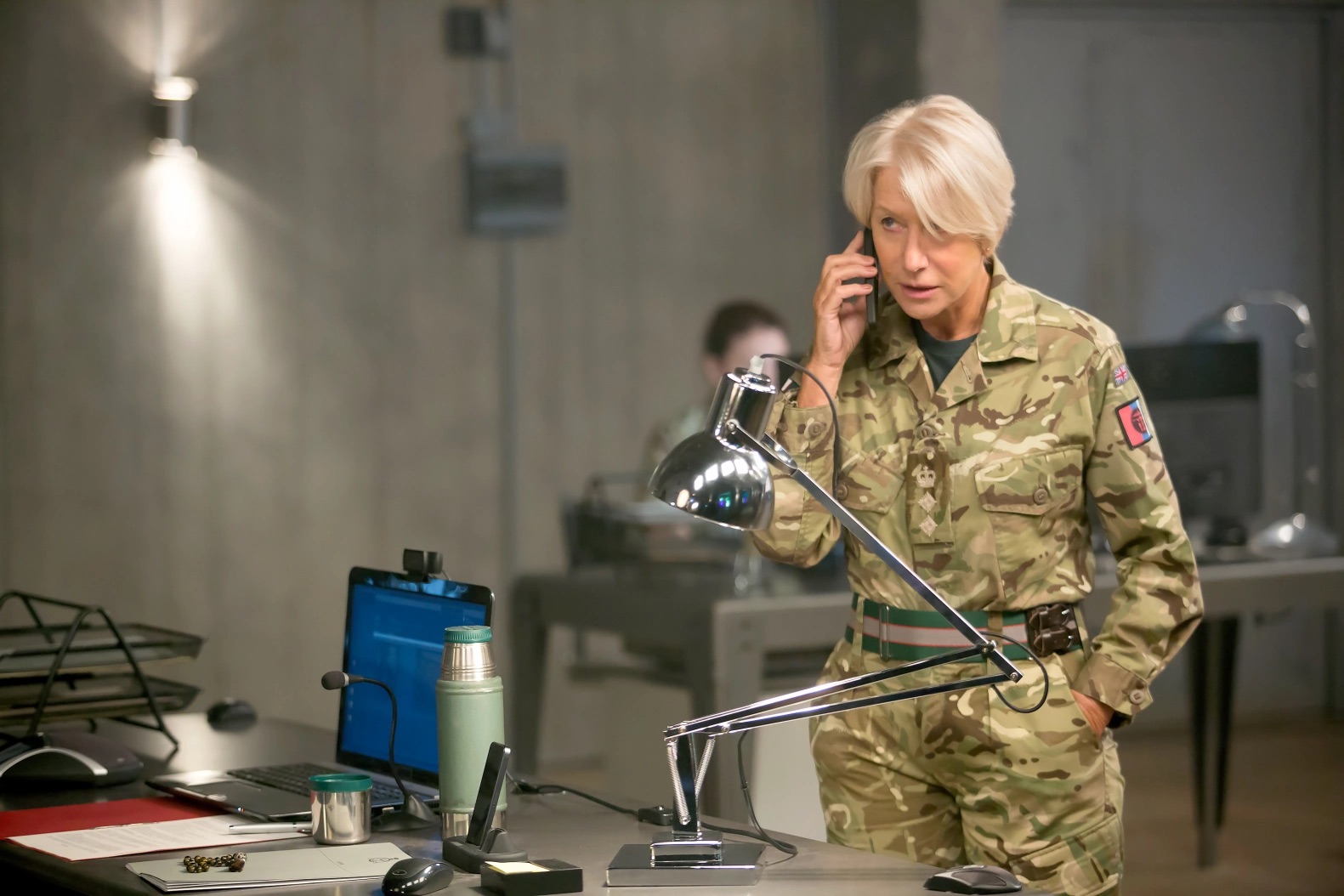
NATO (North Atlantic Treaty Organization) and BRICS (Brazil, Russia, India, China, South Africa) are two powerful international organizations that represent two opposing sides in terms of military and economic power. NATO is a military alliance consisting of 30 member countries from North America and Europe, while BRICS is an association of five major emerging economies.
In terms of military power, NATO is considered the most powerful military alliance in the world. Its member states account for over half of the world’s total military spending, and NATO’s combined military budget is estimated to be around $1 trillion. NATO’s military power is primarily focused on its collective defense mission, which involves deterring and defending against potential threats to its member states.
On the other hand, BRICS does not have a formal military alliance, and its member countries do not have a significant military presence outside their respective regions. However, BRICS countries are all known for their significant military capabilities, and they have the potential to become significant military powers in the future.
In terms of economic power, BRICS countries are among the fastest-growing economies in the world, and their combined GDP (gross domestic product) is expected to surpass that of the G7 countries (Canada, France, Germany, Italy, Japan, United Kingdom, and United States) in the near future. In 2021, the total GDP of BRICS countries was estimated to be around $22 trillion, which is approximately 30% of the world’s total GDP.
On the other hand, NATO member countries are among the wealthiest countries in the world, with a combined GDP of over $37 trillion. However, the economic power of NATO member countries is primarily focused on their own economies, and they do not have a formal economic alliance like BRICS.
The face-off between NATO and BRICS is not just about military and economic power. It also represents a clash of ideologies and worldviews. NATO is primarily a Western-oriented alliance that emphasizes democracy, individual freedoms, and human rights. On the other hand, BRICS countries are known for their non-Western worldview that emphasizes sovereignty, national pride, and economic development.
Despite their differences, NATO and BRICS have some common interests, such as maintaining stability and security in their respective regions and promoting global economic growth. They also share some challenges, such as terrorism, cybersecurity threats, and climate change.
The cost of this military and economic face-off between NATO and BRICS is significant. Both sides spend billions of dollars each year on military and defense-related activities, which puts a strain on their national budgets. The cost of this competition is also felt in terms of diplomatic relations, as both sides engage in a war of words and accusations.
The impact of this face-off is also felt globally, as it affects the balance of power in the world. Some analysts argue that the rise of BRICS countries represents a shift in the global balance of power from the West to the East. Others argue that the NATO alliance is still the dominant military power in the world, and that its economic power gives it a significant advantage over BRICS countries.
In conclusion, the face-off between NATO and BRICS is a complex and multifaceted issue that has significant implications for global politics, economics, and security. While both sides have their strengths and weaknesses, it is clear that this competition has a significant cost, both in terms of money and diplomatic relations. It remains to be seen how this face-off will play out in the future, and whether NATO and BRICS will find a way to work together to address common challenges and promote global stability and prosperity.




 Excel and its many benefit