
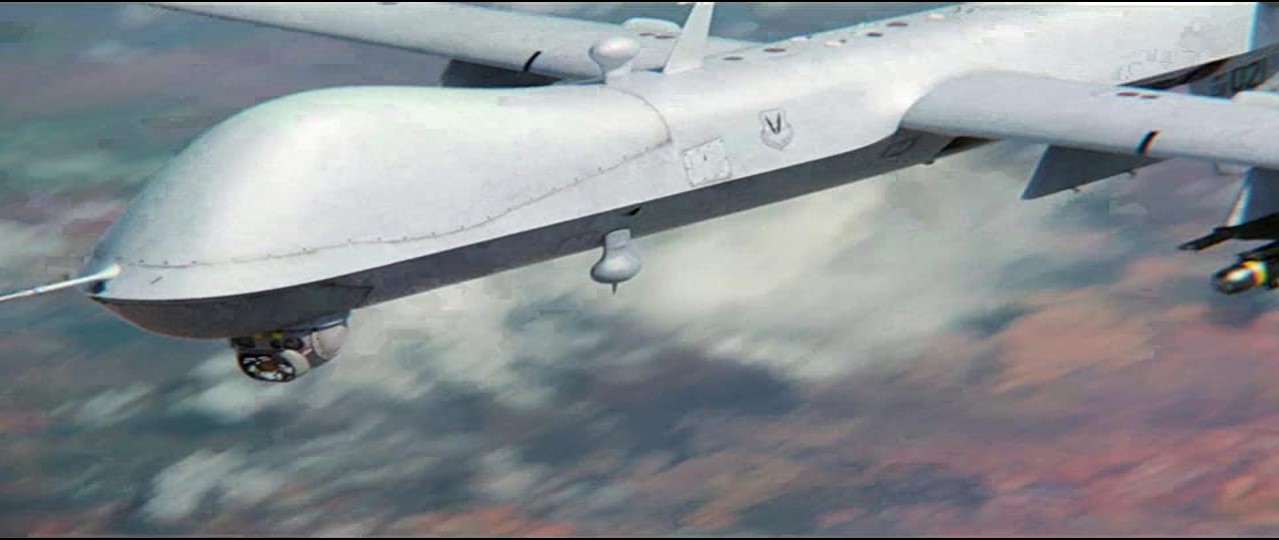
Never ask a soldier if he knows the cost of War…
The above was a quote made to Cornel Powell, a major character in the movie “Eye in the Skye”.
Some questions review great answer in continuous to the previous series I posted earlier about the Operations to capture, not to kill, Lesson learnt about Character from a high pressure environment on how we can adapt, and decision making in a crucial moment without bias.
Herewith below list of movie questions and answers toward the movie review, what we use as criteria in the Analysis of Business Problems (ABP):
5. ‘This an operation to capture, not to kill’ – this was Colonel Powell’s statement at the beginning –what changed?
At the beginning of “Eye in the Sky,” Colonel Powell’s statement that the operation was intended to capture, not kill, reflects the initial mission’s objectives. The goal was to apprehend the high-value targets, Alia Mo’Allim, and her associates, and bring them to justice. However, as the situation on the ground became more complicated and uncertain, and the risks to innocent civilians became apparent, the mission’s objectives began to shift.
Colonel Powell’s character undergoes a transformation throughout the movie, and she becomes more reflective and willing to question the morality and ethics of the mission. She recognizes the potential harm to innocent civilians and begins to advocate for alternative courses of action, such as delaying the mission.
As the situation evolves, the decision-makers ultimately decide to use lethal force to neutralize the targets, and Colonel Powell is forced to reconcile her commitment to completing the mission with her concern for the potential harm to innocent civilians. Her character’s transformation highlights the complexity and ethical dilemmas and taking difficult decision.
6. What can we learn about the characteristics of high-pressure environments?
Overall, “Eye in the Sky” highlights the importance of effective decision-making in high-pressure environments, where uncertainty, ethical dilemmas, and conflicting priorities are common. The movie underscores the importance of collaboration, communication, and leadership in making informed decisions that consider the potential human cost of war
Uncertainty: In the movie, decision-makers have incomplete information about the situation on the ground, including the potential for collateral damage and the presence of innocent civilians.
Ethical dilemmas: In the movie, decision-makers are forced to balance the need to neutralize high-value targets with the potential harm to innocent civilians. This creates tension and disagreement among team members and challenges decision-makers’ assumptions and priorities
Collaboration and communication: In the movie, decision-makers rely on input from different departments and agencies, including military, intelligence, and political officials. Effective communication and collaboration are essential to ensuring that all perspectives are considered and that decisions are made based on the best available information.
Leadership: In the movie, Colonel Powell and other senior officials are responsible for making critical decisions and managing the uncertainty and complexity of the situation. Effective leadership involves balancing competing priorities, considering the perspectives of different team members, and maintaining a sense of calm and composure under pressure.
7. What can we learn about decision-making and execution in these kinds of environments?
“Eye in the Sky” underscores the importance of careful and ethical decision-making in high-pressure environments. By gathering all relevant information, considering all possible outcomes, collaborating effectively, managing emotions and stress, and learning from mistakes, decision-makers can make informed and effective decisions even in the most challenging of circumstances
Gather all relevant information: The movie shows decision-makers gathering intelligence from a range of sources, including drones, satellites, and human informants. By gathering all relevant information, decision-makers can make more informed decisions and reduce the risk of making mistakes.
Consider all possible outcomes: The movie shows decision-makers considering the potential impact of their decisions on innocent civilians, as well as the potential consequences of allowing high-value targets to escape. By considering all possible outcomes, decision-makers can make more informed and ethical decisions.
Collaborate and communicate effectively: The movie shows decision-makers relying on input from different departments and agencies, including military, intelligence, and political officials. Effective communication and collaboration are essential to ensuring that all perspectives are considered and that decisions are made based on the best available information.
Manage emotions and stress: The movie shows decision-makers struggling with the stress and pressure of the situation, but also taking steps to manage their emotions and stay focused on the task at hand. Effective stress management techniques, such as deep breathing and mindfulness, can help decision-makers stay calm and focused in high-pressure environments.
Evaluate decisions and learn from mistakes: The movie shows decision-makers evaluating the outcome of their decisions and considering how they could have done things differently. By learning from their mistakes, decision-makers can improve their decision-making skills and reduce the risk of making similar mistakes in the future.
8. What can we learn from this movie about why teams might fail or succeed especially in high-pressure environments?
Clear objectives and roles: In the movie, each team member has a specific role and responsibility, and they are all working towards the same objective of neutralizing high-value targets. This clarity helps to minimize confusion and ensure that everyone is on the same page.
Effective communication: The movie shows team members communicating with each other in a clear and concise manner, using common language and terminology. This helps to ensure that everyone understands what is happening and can respond accordingly.
Diversity of perspectives: In the movie, decision-makers include representatives from different departments and agencies, each bringing their own unique perspective to the situation. This diversity helps to ensure that all aspects of the situation are considered and that decisions are made based on the best available information.
Trust and respect: In the movie, team members trust each other to do their jobs effectively and to make the right decisions. This trust helps to minimize conflicts and ensures that everyone is working towards the same objective.
8. Do you notice any psychological biases in the movie? Who, What, when, where and how?
“Eye in the Sky” presents several psychological biases that influence the decision-making of the characters involved. Here are some examples:
The character of Lieutenant General Benson, who is convinced that the operation to capture the terrorists must go ahead, despite the risks involved. He seeks out information that supports his belief and ignores evidence that contradicts it.
The attitude of the drone pilot Steve Watts, who is confident in his ability to execute the mission successfully. He underestimates the risks involved and overestimates his own abilities.
I enjoyed the Movie review and utilized what I have been thought at the Analysis of Business Problem (ABP) Session and implore everyone to watch and provide feedback if answers provided are in line with what it tends to be or share diverse perspective based on analysis per character or self-conviction.
Reference: https://www.youtube.com/watch?v=jlgPcPOBbnU
Reference : Group 1 ABP Assignment ( Credit).




 Accounting terms and me 😃😃