
As an increasing number of individuals are turning to natural and holistic approaches to maintaining their health, the topic of herbs vs drugs has become a hotly debated issue in the healthcare industry. While both herbs and drugs have the ability to improve certain health conditions, some crucial differences between them must be taken into account.

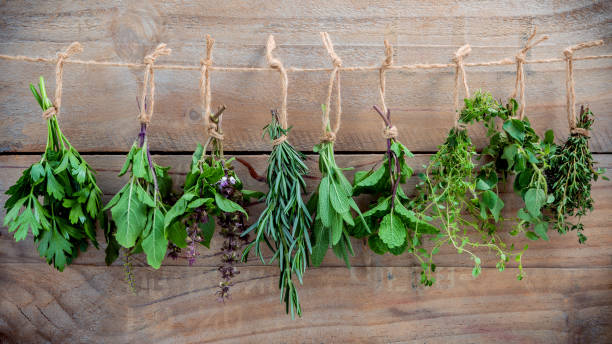
One of the primary differences between herbs and drugs is that drugs are often synthesized in laboratories to address specific medical conditions, whereas herbs are naturally occurring plants used to promote overall health and wellness. Herbs are often used in traditional medicine practices and their benefits have been studied for centuries. On the other hand, drugs are often formulated to target specific symptoms or conditions and undergo extensive testing before they can be approved for use by regulatory bodies.
This testing ensures their safety and efficacy for specific medical conditions.
Although the use of drugs can be highly effective in treating certain medical conditions, it comes with several drawbacks that make herbs a more attractive alternative for some people, particularly those who are concerned with the potential side effects of pharmaceutical drugs. As opposed to drugs, herbs are generally considered safer and have fewer side effects.
This is largely because herbs contain natural compounds and are often used in whole form, allowing for a more balanced and gentle approach to treatment, whereas drugs often target specific receptors and can disrupt the body’s natural balance. Furthermore, using herbs as a form of treatment can be more affordable than comparable pharmaceutical treatments, which can often come with expensive price tags. Despite their many benefits, it’s important to note that herbs are not always the best course of action for treating medical conditions. It is crucial to consult with a healthcare professional before starting any herbal treatments to determine if they are safe and effective for your specific condition, especially if you are currently taking prescription medications or have underlying health conditions. In summary, the debate between herbs and drugs is multifaceted and depends on a range of individual factors.
Ultimately, whether one opts for herbs or drugs will depend on an individual’s personal preferences and healthcare needs. It’s important to note that herbs are not intended to replace drugs for serious medical conditions and should be used as complementary therapies under the guidance of a healthcare professional. In conclusion, it’s essential to understand that both herbs and drugs have their place in medicine. It’s up to healthcare professionals and patients alike to weigh the benefits and risks of each approach and determine which course of action is most appropriate for a given medical condition or situation.
I am intrigued by the numerous options we have here in Nigeria, in particular the natural plants that can be used to treat various ailments, including malaria, stomach problems, and skin conditions. Plants such as neem, aloe vera, turmeric, and ginger are popular choices for traditional herbal medicine in Nigeria. These herbs have been used for generations and are increasingly being studied by modern scientists to determine their efficacy and potential uses in mainstream medicine.
There is promising research underway to investigate the potential of plant-based medicine for both the prevention and treatment of chronic illnesses like cancer, diabetes, and hypertension. These studies have provided support for the effectiveness of using herbs as a natural and holistic option for health and wellness.
However, it is important to keep in mind that not all herbs are safe for everyone or for every condition, and using them incorrectly can lead to adverse health effects. Some herbs can interact with prescription medications and cause complications, while others may have negative side effects when taken in large doses.This is an exciting time for botanical medicine, as researchers continue to explore the potential benefits of herbs in treating and preventing a variety of health conditions.
In conclusion, individuals must understand the potential benefits and drawbacks of both herbs and drugs to make informed decisions about their health. By doing so, they can work collaboratively with healthcare professionals to develop effective treatment plans and ensure the best possible outcomes. This can ultimately lead to improved health and quality of life, as well as a better understanding and appreciation of the many different approaches available for managing medical conditions, both traditional and modern.



