
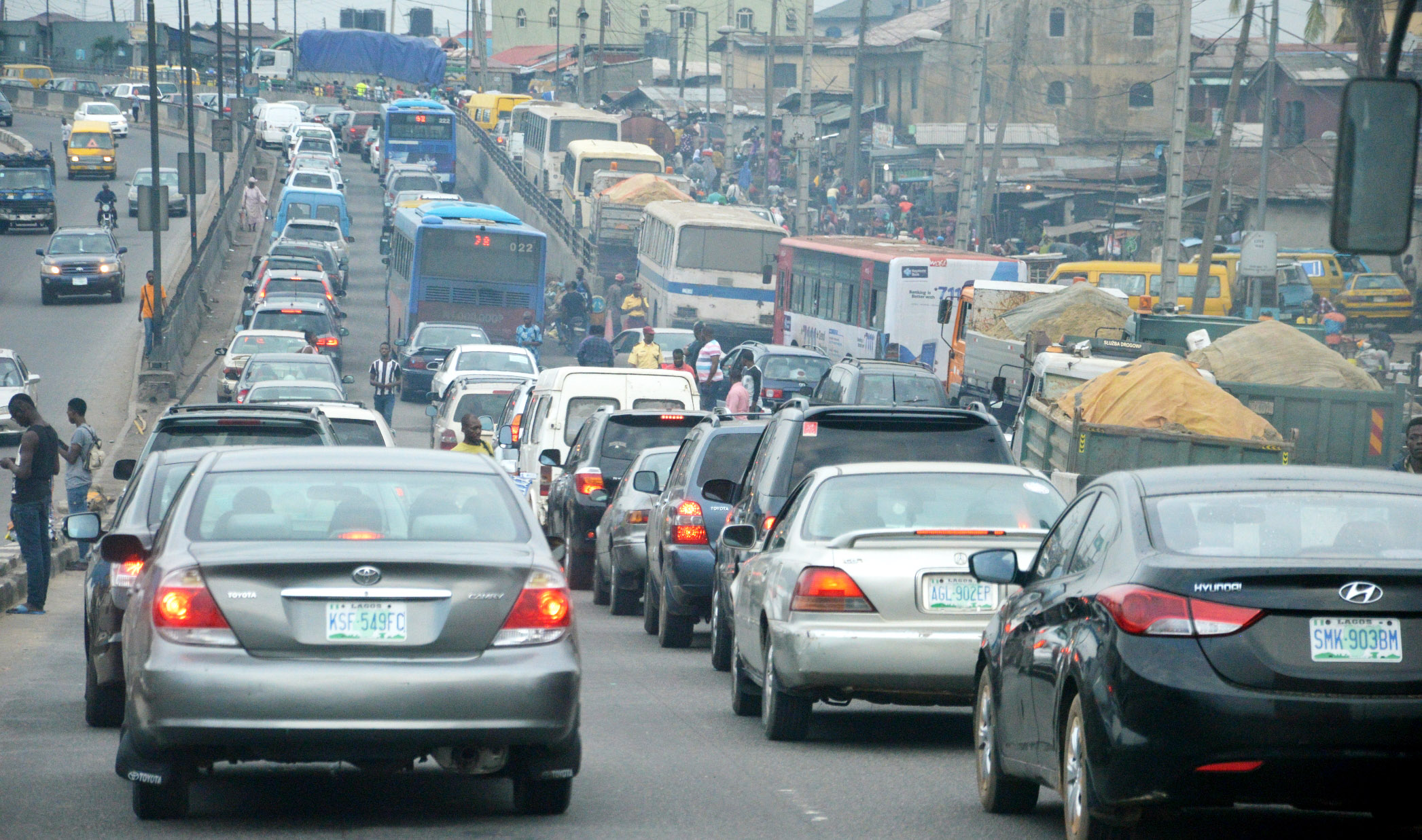
With a population of over 20 million people and growing, Lagos is one of the fastest-growing urban areas in the world. Living in a highly populated city like Lagos comes with its cons and a major one being the notoriously congested road network, with traffic jams that can last for hours on end.
According to a 2019 report by the Lagos State Government, traffic congestion costs the city an estimated ₦42 billion ($115 million) annually in lost productivity and fuel consumption. The report also found that the average commute time in Lagos is 3.5 hours per day, which is one of the highest in the world. The city’s rapid development has led to a significant increase in traffic, which has resulted in long delays, wasted time, loss of productivity, acute stress and increased air pollution. In this article, we will explore how data analytics can help solve the traffic situation in Lagos.
Traffic gridlock is caused by many reasons, some of which are: Inadequate road infrastructure. impatient drivers that do not follow traffic rules, broken down vehicles, accidents, poor law enforcement, insufficient traffic monitoring cameras etc.
Data analytics is the process of examining and analyzing data sets to extract meaningful insights and information. It involves using various statistical and computational techniques to identify patterns, relationships, and trends in the data, and to derive insights that can be used to inform decision-making.
Data analytics can be used in a variety of contexts, including business, healthcare, finance, and government. It can play a significant role in solving the traffic situation in Lagos. For example, by analyzing data from multiple sources such as traffic Cameras, GPS data, Google Maps, and social media, valuable insights about traffic patterns can be obtained. These insights can be used to share regular traffic updates through various channels such as radio or subscription services. This helps drivers plan their routes accordingly and avoid getting stuck in traffic congestion. Ultimately, data analytics can help improve traffic flow and reduce the time and resources wasted due to traffic congestion.
By utilizing data from sources such as Google Maps and traffic cameras, it is possible to enhance the efficiency of traffic light systems. For instance, at the Abraham Adesanya intersection, analysis reveals that a larger number of vehicles head towards Ogombo, Sangotedo, and Awoyaya compared to the number of vehicles making a U-turn back to Ajah and other nearby streets. This pattern can be reflected in the configuration of the traffic lights. Additionally, a traffic data logger can be installed to collect data, which can be analyzed alongside population growth trends in these areas. This approach can provide valuable insights into the best way to configure the traffic light system to optimize traffic flow and reduce congestion.
By utilizing real-time traffic updates provided through social media and radio stations, traffic wardens can guide drivers through heavy gridlock intersections more effectively. In addition, this information can also be used by the government to identify inner-city routes that have deteriorated and been abandoned. Fixing these roads would provide more driving options and free up the highways for smoother traffic flow.
Data analytics plays a vital role in identifying areas where road infrastructure needs improvement. By analyzing traffic data such as vehicle volume and average speed on particular roads or intersections, city planners can prioritize road construction projects and allocate resources more efficiently. This, in turn, leads to better traffic flow and more efficient use of resources.
Moreover, data analytics can also help improve public transportation. By analyzing data from public transportation systems, including passenger numbers, routes, and schedules, data analytics can identify areas where improvements are needed. This enables transportation authorities to optimize routes, schedules, and fares, which can make public transportation more efficient and attractive to commuters, ultimately reducing traffic congestion on the roads.
In summary, traffic congestion in Lagos poses a major challenge that significantly impacts the daily lives of millions of people. Nevertheless, the use of data analytics presents a viable solution for reducing traffic congestion and improving the overall quality of life in the city. By leveraging data analytics, city planners can gain critical insights into traffic patterns and problem areas, thus making informed decisions on infrastructure development and public transportation. With effective strategies and implementation, Lagos can effectively address its traffic challenges, transform into a more efficient city, and enhance the well-being of its residents.
References:
Alade, T. A., & Adediran, J. O. (2019). Transportation challenges and policy responses in Lagos, Nigeria. Transport Policy, 83, 99-106.
Banister, D. (2019). Transport, urban
Lagos State Government. (2019). Lagos State Traffic Management Authority Annual Report.
https://www.investopedia.com/terms/d/data-analytics.asp
https://guardian.ng/technology/uber-sees-technology-solving-lagos-traffic-gridlock/




 HOW I WANT TO BE ADDRESSED