
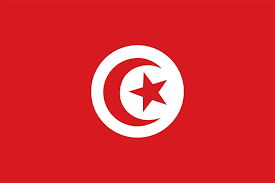
Trade partnerships are an essential aspect of a country’s economic growth and development, and Tunisia is no exception. The Tunisian government has worked hard since the mid-1990s to establish more convenient ways of doing business in the country and subsequently open the door to foreign trade. This was accomplished largely through trade zones and bilateral trade agreements with countries and regional bodies throughout the area. Most notably, Tunisia was the first country on the southern rim of the Mediterranean to sign an Association Agreement with the European Union.
However, the unstable and corrupt political frameworks in many of Tunisia’s closest trade partners kept economic development far below the world standard. Growth rates for Tunisia’s neighbours in North Africa were below average for emerging market economies. This discouraged foreign investors who had an interest in Tunisia but were concerned about the impact that regional dysfunction would have on Tunisia. Despite this, Tunisia still offers a large pool of low-cost, yet well-educated, labour right on Europe’s southern doorstep.
Since 2000, Tunisia’s Human Development Index has steadily increased, comparable to European developing countries. Tunisia’s favourable results were due primarily to the young age of the population, with 51% under the age of 30. Education was also a factor, with 97% of Tunisian youth educated in a state-regulated school system and 65,000 post-secondary students graduating each year from more than 200 higher education institutions. However, the survey also revealed that higher education had resulted in a range of unemployable people, students going through the motion of schooling, but failing to become very knowledgeable. This mismatch between education and job criteria contributed to the 15.2% unemployment rate, with many post-secondary graduates unable to find a job befitting their skill set.
In addition to this, corruption was also a major concern for companies doing business in Tunisia, particularly in port operations, customs, and border control. Tunisia ranked 79th out of 175 countries in the 2014 Corruption Perceptions Index, which listed countries based on the level of corruption in their public sector. Companies worried about the cost of moving shipments across the border, the time it would take for shipments to go through customs, or whether shipments would even reach their destination. This corruption also created an uneven playing field-cheaper Asian goods were permitted to flood the market with no duties, underselling domestic products.
Strikes were also a regular occurrence, shutting down manufacturing or ports of entry for days or weeks at a time. These incidents largely stemmed from public discontent over the habitual stagnation of the national economy, which had remained a key issue in the aftermath of the revolution, with demands generally focused on higher wages. However, regular work slowdowns and strikes often served only to further stagnate the economy. Since the early summer of 2014, port workers have been striking against calls to privatize a portion of the harbour, which could lead to a reduction in corruption. Larger companies could hold sufficient inventory to protect against these delays, but smaller firms could not afford to do so for long and were therefore exposed.
In conclusion, trade partnerships play an essential role in Tunisia’s economic growth and development. The Tunisian government has worked hard to establish more convenient ways of doing business in the country, and these efforts have resulted in numerous bilateral trade agreements with countries and regional bodies throughout the area. Tunisia still offers a large pool of low-cost, yet well-educated, labour, making it an attractive destination for foreign investors. However, corruption, strikes, and political instability in neighbouring countries have all negatively impacted Tunisia’s economy. If the Tunisian government can address these issues and create a more stable and transparent business environment, Tunisia’s economic growth and development can continue to prosper.



