
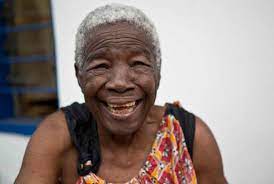
Ageing is defined as a progressive deterioration of physiological function, a process of becoming older.
All over the world, the ageing population is getting higher. The ageing population is generally known as the elderly which are those 60 years and above.
Ageing is a physiological process brought about by degenerative changes as one grows. Ageing cannot be avoided. Ageing results from the impact of accumulation of wide variety of cellular and molecular damage over time. This leads to a gradual decrease in physical and mental capacity, a growing risk of disease and ultimately death. These changes are neither linear nor consistent as they are only loosely associated with a person’s age in years.
While some 70- years–olds enjoy extremely good health and functioning, other 70-year- olds are frail and may require significant help from others.
Studies have shown that a few things influence health in older age. These factors are person’s behavior, diseases, Genetics, and the environment where they live in (such as housing, assistive technologies, transport, social facilities etc).
The following are the main reasons why we now have an increase in the ageing population.
- Decreasing death rates
- Decreasing fertility rates
When the effect of ageing sets in, some health challenges will start manifesting. Diseases such as diabetes, hypertension, chronic bronchitis, cancers, arthritis, osteoporosis , visual and hearing impairment, dementia etc becomes common.
There are a few psychological challenges of ageing. These are Loneliness, Depression, Victimization and abuse, Change in societal role, financial constraint, multiple losses, and Fear of death.
There are also some economic challenges of ageing. These include Unemployment, Poverty, Retirement (policies) etc.
The following social trends affect the elderly population;
- Rural-urban migration
- Family changes
- Diminished family size
- Globalization of economy
- Increased female participation in the work force
While it is a good thing to have a largely ageing population, one must acknowledge the fact that a population that is made up of majorly aged people faces peculiar challenges. Some of which are:
- Burden on health care facilities because of increasing burden of care
- More money spent on health for treatment and management of chronic diseases
- Building of more rehabilitative care homes
- More use of assistive technology in housing and transportation
- Increased burden on care givers
- Increased social welfare burden- more dependency
- Increased risk of nutritional deficiency
- Increased need for mental health services
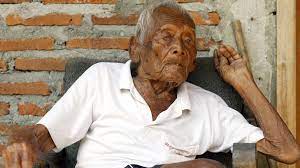
There are various options of care for the elderly. Notably; Community based care and primary health system based care.
Community based care option involves the following:
- It is less expensive and a sustainable strategy for long term care
- Preferable to institutionalized / residential care
- Culturally acceptable
- Ensures ageing in a place
- Encourages use of volunteers
- Coordinated locally by NGO or community groups
- Follows guidelines especially for volunteer-led home care
In the case of Primary Health System care option, it involves the following:
- It can be primary providers offering outreach care
- Ideally situated to implement age appropriate care. ‘
- Identifying the frail or dependent old people,
- Referral for health facility based care
- Home visits and home – based assessment
- Targeted intervention for an enabling environment
It is our responsibility to care for the ageing population as we all will hopefully be like them some day.




 Explore West Africa