
Cultural diversity refers to the presence of a wide range of cultural groups within a society, each with its unique language, customs, beliefs, values, and practices. A culturally diverse society recognizes and respects differences in cultural backgrounds, promotes inclusion and equality, and encourages learning from one another.
Cultural diversity is a strength of a nation in several ways. Firstly, it fosters social cohesion by creating a sense of unity and shared identity among different cultural groups. When individuals from diverse backgrounds come together, they learn to appreciate and understand each other’s cultures, which can lead to mutual respect, empathy, and trust. This can lead to a more cohesive society with a stronger sense of unity, which can ultimately lead to greater national stability.
Secondly, cultural diversity promotes innovation and creativity. When people with different cultural backgrounds come together, they bring their unique perspectives and ideas. This diversity of ideas can spark innovation and creativity, which can lead to new solutions, products, and services that benefit society as a whole. A culturally diverse society is, therefore, more likely to be innovative and adaptable to change.
Thirdly, a culturally diverse workforce can help businesses tap into new markets and better understand the needs of a diverse customer base. Cultural diversity can also help businesses better manage global operations and navigate cultural differences when dealing with international partners. In addition, a diverse talent pool can help companies attract and retain the best talent from different cultural backgrounds, which can lead to greater productivity and profitability.
To provide additional information, let’s consider Nigeria, which is among the most densely populated nations in Africa, as a case study. Nigeria is renowned for its diverse range of cultures, consisting of more than 250 distinct ethnic groups. Each group has their own language, customs, beliefs and traditions that set them apart from one another. Among the most prominent Nigerian tribes are the Hausa-Fulani located in the north; who mostly follow Islam while the Yoruba people inhabit Nigeria’s southwestern region with a majority practising Christianity or traditional worship. The Igbo tribe dominates south-eastern Nigeria and is largely Christian in faith.
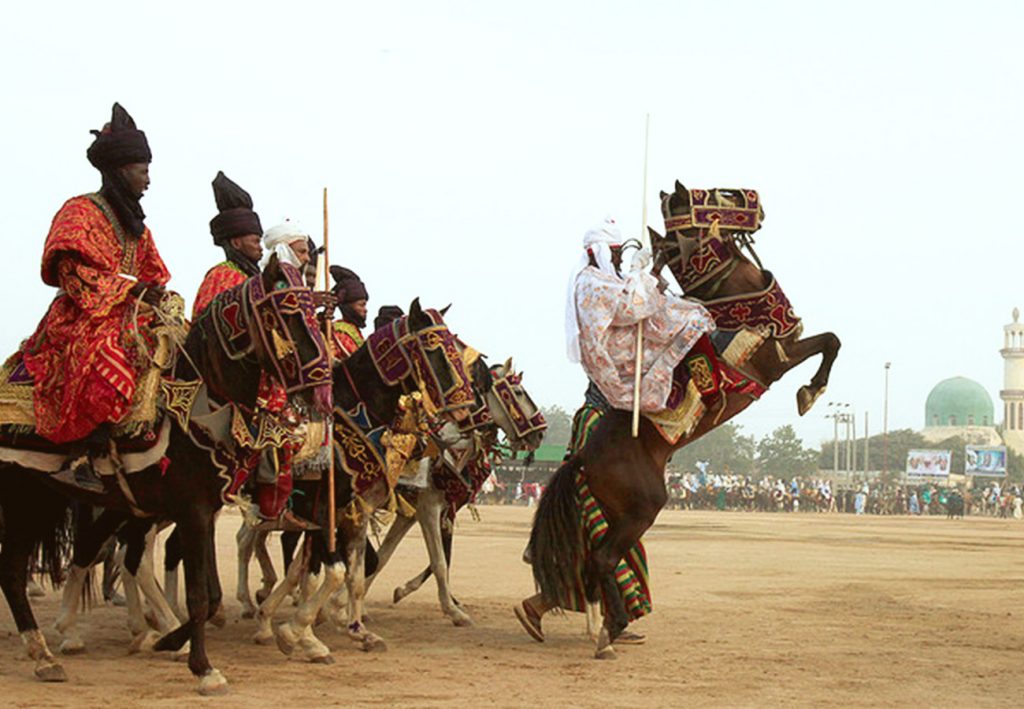
Nigeria has various ethnic groups such as Kanuri, Tiv, Edo, Ijaw, Efik and Nupe. They have their own distinctive cultural practices including music, dance, cuisine and art. The Durbar festival is a notable celebration in Nigeria which highlights the culture of Hausa-Fulani people during Eid al-Fitr.
Another popular festival in Nigeria is the Osun-Osogbo festival, which is celebrated by the yoruba people in Osun State. The festival is a celebration of the river goddess Osun, and it features music, dance, and traditional rituals.
The New Yam Festival is celebrated by the Igbo people and marks the beginning of the harvest season. The festival is a celebration of fertility and the importance of agriculture to the Igbo people, and it features music, dance, and feasting.
Despite the richness of Nigeria’s cultural diversity, there have been occasional conflicts between different ethnic groups. However, Nigeria continues to make efforts to promote unity and inclusivity through policies and initiatives that celebrate its diversity and promote understanding and tolerance among its citizens.
Finally, cultural diversity enriches society by promoting the exchange of knowledge, ideas, and traditions. This can lead to greater cultural understanding and appreciation, which can help preserve and celebrate different cultural heritages. This can lead to a more vibrant and inclusive society, where everyone feels valued and respected for their unique contributions.
In conclusion, cultural diversity is a strength of a nation, as it fosters social cohesion, promotes innovation and creativity, strengthens the economy, and enriches society. It is, therefore, essential to recognize and embrace cultural diversity as a fundamental aspect of national identity and to promote policies and practices that promote inclusion, equality, and respect for all cultures.




 Did you say just Numbers ?