
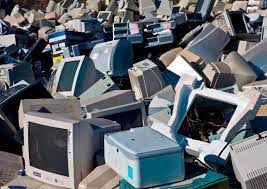
Electronic waste (e-waste), is the word used to describe all types of old, outdated or discarded electrical and electronic equipment, such as household appliances; office information and communications equipment; entertainment and consumer electronic equipment; lighting equipment; electric and electronic tools.
Electrical and electronic equipment has generally made life easier and more convenient due to their efficiency and time saving attributes. However, these items become technologically obsolete in a short period of time as a result of continuous development of newer model of the items.
With advancement in technology, there has been high rate of production of electronic equipment. Therefore about twenty to fifty million metric tons of E- waste is generated globally with Nigeria contributing significantly, about 1.1 million tons.
Electronic waste which commonly exist in the form of e-scrap and e- waste are majorly from the trash from excess, broken and outdated electronic devices.
Electronic waste components are toxic and are not biodegradable. When e-wastes are improperly disposed and recycled, toxic metals and pollutants are released into the environment.
There are some reasons why items become e waste. This includes:
- Changes in trends and status
- Advancement in technology
- When the items are nearing the end their useful life
- Mishandling of the items
The Sources of e-waste.
- Home: personal computer, televisions, radio, cell phones, washing machines, microwave oven, CD players, Fan, Electric irons
- Government : personal computers, scanners, fans, tube lighting, CPU, FAX machines, copying machines, Air conditioners
- Hospitals :personal computer, monitors, ECG devices, microscopes , incubators
- Private sector (Restaurants, Industries): Personal computers, boilers, mixers, signal generators, incubators
Categories of e-waste are:
- Large and small household appliances
- IT and telecommunication equipment
- Consumers and lighting equipment
- Electrical and electronic tools
- Medical devices
- Monitoring and control instruments
- Automatic dispensers
- Toys and sports equipment
Effects of e waste on Health.
Electronic waste contains toxic components that are dangerous to human health, such as mercury, lead, cadmium, polybrominated flame retardants, barium and lithium. The negative health effects of these toxins on humans include brain, heart, liver, kidney and skeletal system damage.
| TOXINS | TYPICAL SOURCES | EFFECT ON HUMANS |
| Mercury | Fluorescent lamps, LCD monitors, switches, flat panel screens | Impairment of neurological development in children, headaches, insomnia, respiratory failure, effect on the kidneys, death |
| Lead | CRT of TV, Computer, monitor , circuit boards | Cognitive changes, cancers, hearing problems, damage to brain and nervous system |
| Chromium | Untreated and galvanized steel plate, decorator or hardeners for steel housings | Asthma, bronchitis, skin irritation, kidney damage, liver damage, discoloration of teeth |
| Cadmium | Light sensitive resistors, Ni-Cd battery | Inhalation due to proximity to hazardous dump can cause severe damage to lungs, kidney damage |
E-waste management.
There is the need for everyone to embrace e-waste management principles. The 4 R’s in e-waste management are: Reduce, Recycle, Reuse and Recovery.
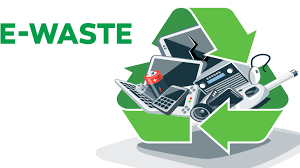
E-waste management is a process of collecting e-waste, recover and recycle materials using safer methods, and dispose of the e-waste by suitable techniques to reduce its adverse effects on the environment.
These methods include:
- Electronic recycling: This can be challenging as discarded electronic devices are sophisticated devices manufactured from varying proportions of glass, metal and plastics. However it is an effective and economical solution for managing electronic waste
- Reuse: Contrary to recycling, it extends the life span of a device before eventual recycling.



