
If you are regular reader of this column, you should be familiar with the topic of Decision-making by now due to in-depth analysis I have presented on Decision-making process, steps involved in decision-making, use of concept of ‘Advocacy and Inquiry’ in decision-making process, impact of emotion and logic, handling uncertainties when making decisions, use of different tools in effective decision-making like PrO-ACT, 8-Steps, and other issues x-rayed with respect to effective decision-making. At least, if you do not remember all enumerated above, you will remember: You are Decision Executive!
Further lessons in Analysis of Business Problems (APB) course as part of Lagos Business School Executive Master of Business Administration (EMBA) program has revealed that everyone of us has bias challenge. This challenge needs to be recognized and account for consciously when making decision. Recall, one step towards effective decision-making is to identify and state the problem that require attention or solution. If individual bias is introduced, then the problem framing may lead to wrong or ineffective decision thereby resources will be used to executive a decision and the problem will persist.
What is a Bias?
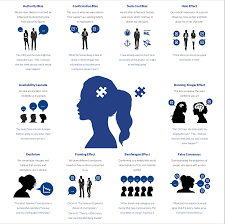
‘A bias is a prejudice or inclination for a specific mode of thinking, for or against something, that is generally considered unfair’[1]. Biases can lead to poor decision-making and understanding common types that affect our everyday life will assist in reducing human error in decision making process. Different models have been developed to explain these common biases, such model is The SEEDS model used by Neurologists.
From making similar decisions (Similarity Bias) on different issues because both issues happen similar or passing judgment on one person because the person seems to possess features of another person. It is important to be conscious of Similarity bias when taking decision on two issues that are alike. It’s advisable to separate the issues and objectively review each issue on its merit/demerit before making decision.
At times when time is of essence in making decision, we tend to rely on our experience of how similar issue in the past was handled to determine the right decision for the issue at hand. Concern with Expedience bias is that all relevant and current facts may not be thoroughly reviewed for robust decision making and effectiveness has been sacrificed for timeliness.
Experience bias depend solely on years of doing something even though environment and conditions might have changed to support need to approach current problem with open-mind and mindset of learner. Experience bias stiff opportunity for new ideas on how to make better and effective decision and add more values to the system instead of following the same method of the past simply because it has worked before.
Distance bias is another hurdle in the way of making effective decision especially in today’s modern world where physical distance has become a mirage with high-powered technology. Typically, people to make favorable decision for things or people close them since there is the unspoken words of the decision executive taking an impact (negative or positive) of decision made. The last leg of The SEEDS Model is Safety Bias where we basically take decision to protect current working situation rather than exploring unknown issues for better bargain.
Everyone tries to avoid loss and that is why people will be more comfortable and satisfactory with status-quo rather than taking risk of unknown event[2].
Consciously reflecting upon the various biases and many other bias types should be able to assist decision executives in taking decisions that will be effectively and solve the problem identified.
[1] Decision Making | Cognitive Biases, Errors & Examples – Video & Lesson Transcript | Study.com
[2] The 5 Biggest Biases That Affect Decision-Making (neuroleadership.com)



