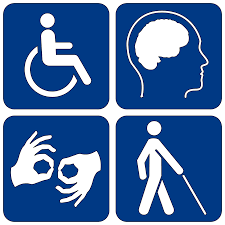
As the number of people with disability is growing due to increase in non-communicable diseases, there is also increase in invisible disability.
Persons with disabilities are a diverse group, and factors such as sex, age, gender identity, sexual orientation, religion, race, ethnicity and economic situation affect their experiences in life and their health needs
Persons with disabilities die earlier, have poorer health, and experience more limitations in everyday functioning than others.
Before trying to know what invisible disability is all about, it would be good to understand what disability is.
Disability is defined as the restriction in function which is expected from a human being.
WHAT IS INVISIBLE DISABILITY?
It is defined as symptoms such as debilitating pain, fatigue, cognitive dysfunction, brain injury, dizziness that limits proper functioning of an individual as a human being. It is a physical, mental or neurological condition that is not seen from the outside, yet it limits a person’s senses, range of movement or activities. Often time invisible disability can lead to misunderstanding, false perception and judgment. Also known as Hidden Disabilities or Non-visible Disabilities (NVD), it can hinder a person’s efforts to go to school, work, socialize, and more.
Disabled people can have both non-visible and visible impairments, or impairments that are only visible in certain circumstances or settings.
It creates a challenge for the person who has it, and in reality , it can be difficult for others to recognize or acknowledge.
TYPES OF INVISIBLE DISABILITY
- Attention deficit hyperactivity disorder
- Anxiety disorders
- Asperger Syndrome
- Asthma
- Autism
- Bipolar disorder
- Endometreosis
- Epilepsy etc
IMPACT OF INVISIBLE DISABILITY
- The lack of understanding about NVD can be detrimental to a person’s social capital
- People may see someone with an invisible disability as lazy, weak, or antisocial
- An Invisible disability may cause someone to lose connections with friends or family especially if they don’t understand, potentially leading to a lower self-esteem
- Some employees with an invisible disability choose not to disclose their diagnosis with their employer, due to social stigma directed at people with disabilities, either in the workplace or in society in general
- Many people who think of those with a disability generally consider them lower to middle class due to their medical costs
- Also because many people with disabilities often lack reliable, full-time employment.
- Lack of understanding and stigma from others creates consistent barriers in the lives of people with invisible disabilities
- People with NVD also report facing criticism when trying to access facilities designed for disabled people
- Data suggests that unemployment rate for individuals with an invisible disability is higher than those without one
- Disabled workers are likely to be paid less, and are more likely to be employed part-time, self-employed or employed in the public sector
- Research has found job applicants who disclose a disability have lower call-back rates
- And job seekers may be reluctant when asked on an application if they have a disability, Many fear that answering yes will reduce their chance of getting the job
- Some the barriers employer reported for hiring disabled people include: cost and practicalities of making adjustments; impact on other staff, low employer capability; and potential for mistreatment from co-workers
- Disabled students, particularly those with learning difficulties, are more likely to defer entry into HE than non-disabled students.
- Studies also indicate that transition to less structured self-directed learning, and living away from home, may trigger or worsen a disabled person’s condition or impairment, making it more apparent
WHY PEOPLE ARE SILENT ABOUT IT
- Those who are already employed may be afraid of opening themselves up to discrimination
- Some people don’t want to be seen for their disability, which they may consider to be a minor part of their life, so they don’t disclose
- People with invisible disabilities may think that co-workers won’t believe they have a disability
- There’s no easy way to convince people you have something that no one can see
HOW TO SUPPORT PEOPLE WITH INVISIBLE DISABILITY
- Adopting a flexible and empathetic approach towards all interactions with your peers is a good place to start
- A big part of being more inclusive of people with an invisible disability involves trying to be kind, understanding and supportive of each other
- Try to be understanding if someone cancels a social plan
- Believe and try to accommodate people if they ask for help or for an accommodation
- If someone discloses to you that they have an invisible disability – educate yourself, do some research on it and create a safe and respectful space for the person to share their personal experiences with you if they feel comfortable
In conclusion, let’s all be fair to strangers without being judgemental. They may just have some invisible disability. Ask questions rather than assuming how the person is affected, ask if there are ways you can support them, and thank them for sharing with you. This will go a long way to make our world a better place for all.