

I believe I have once made a rant about corporate financial accounting here before (all in good faith), but there isn’t going to be another one today. This week, my mind was opened to the impact of corporate financial accounting (CFA) on the life of a business, and I was able to finally draw a line between this course and the analysis of business problems (ABP) course with real-life scenarios playing in my head.
Most businesses are set up to be profitable, and the growth is celebrated once we can figure out what’s left when we take out the expenses from the revenue generated. This is how most small enterprises operate. Medium- and large-sized enterprises can get a standard financial report done, and some go further and hire an external auditor to inspect their accounts. Small enterprises do not have that luxury, or I would say they are ignorant of the damage not having a proper financial statement is doing to their business. For most small businesses, everything is about profit and loss; everything else is not considered a priority. Small enterprises (SE) may not know that they need to take into consideration the depreciation of the equipment and tools they use in their business. They may also not know that there is a need to separate business assets from personal assets. This trickles down into filing taxes at the end of the year.
In the example we had in class, the clothing store didn’t factor in the cost of loss from not selling some stock or selling it at a lower price to rid the store of old merchandise. I do agree that this may be a bit difficult to put into numbers because the store owner may be hopeful of selling them someday. On the surface, based on the financial statement, the business appeared to be doing well, being a start-up with more growth room. However, analyzing further what ties the business together, the profit we saw on the financial statement was not looking encouraging anymore.
The business analysis comes up for different reasons:
- Looking to get funding in the form of liability and owner’s capital
- Trying to get listed on the stock exchange
- Business improvement plans
- Business acquisition
One of the first things that is reviewed is the financial statement, which is full of encouraging numbers and colorful statements. As a business analyst, knowing the business will help you understand a financial statement better. It will also help you see beyond what is presented to you. The job of a business analyst is to comb through the business and figure out what is necessary for the report and what is being omitted. To a layman, the financial statement might be perfect, but for a transaction, everything is questioned, no matter how insignificant it might be to the business owner.
A good business on paper may not be a good business at all when an analysis is completed. Some times, decisions are made based on the risk tolerance of the parties involved.




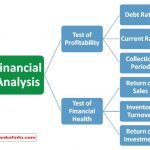 Let’s analyze the financial report…