
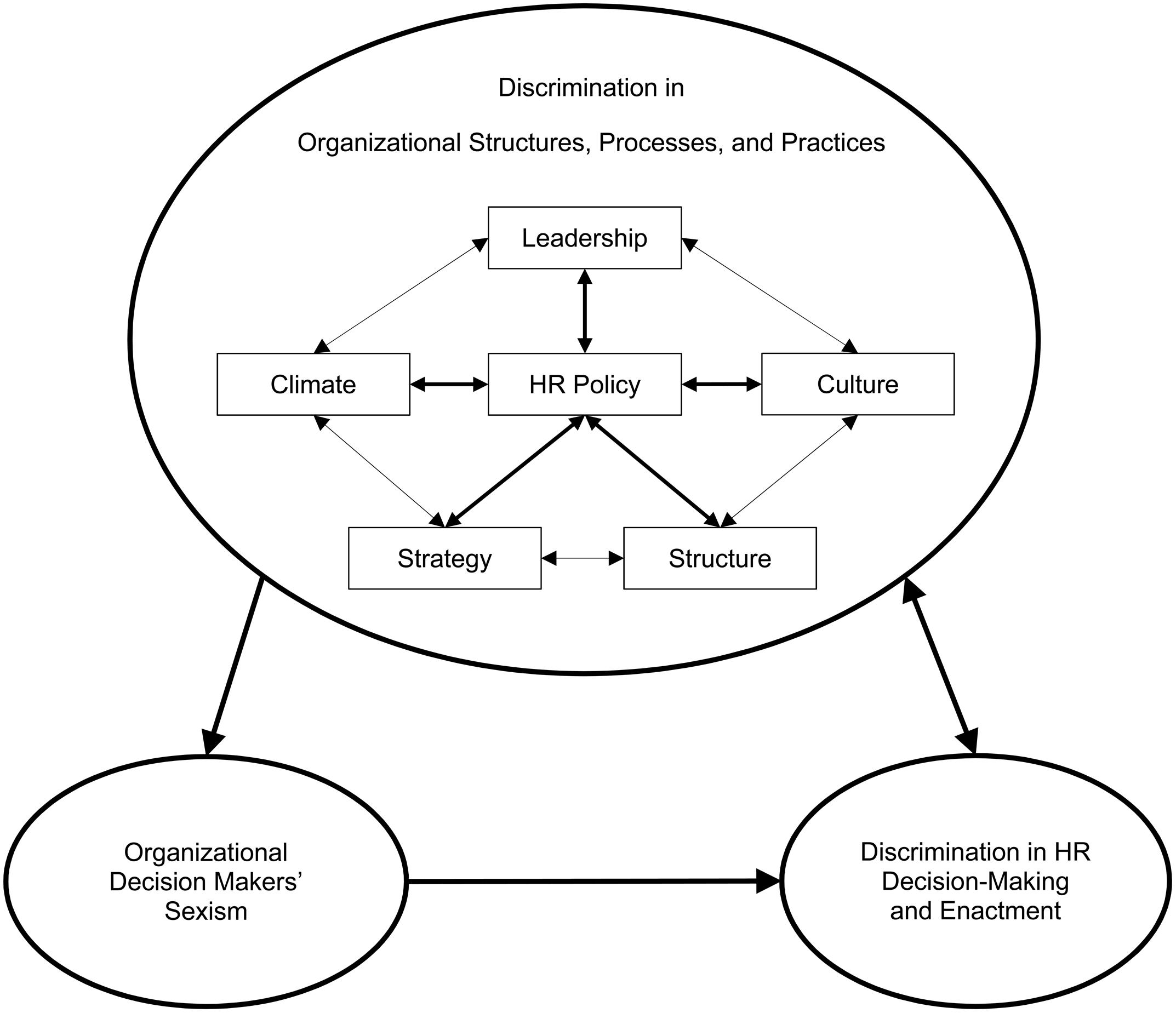
The most powerful form of discrimination in a workplace is when a particular group is adversely affected by the procedures that are followed in making decision or during workplace practices. Gender bias/discrimination in the workplace is the favoring of one gender against the other in terms of recruitment, job assignment, and termination of employment, compensation and promotion. Discrimination in the workplace may be intentional or unintentional and might be prompted by prejudice or ignorance.
What is gender bias? It is the tendency to give preferential treatment to one gender over another. It is a form of unconscious bias, which occurs when someone unconsciously attributes certain attitudes and stereotypes to a group of people. Gender bias occurs when one gender is preferred over another. It is the unequal treatment of people based on their gender. It is most prominently visible within professional settings. Women and men are always subjected to different treatment in the workplace; in some circumstances, men may be treated more than women while in some other cases women are treated better than men. But in this space, we will be talking about gender bias as it relates to women.
Gender discrimination in the workplace continues to be a disturbing problem to various women all around the world. It is considered to be quite widespread and virtually every woman must have suffered from one form of discrimination or another due to her gender. Even in the current age, women still experience discrimination in their places of work and despite having similar skills as their male counterparts; they still can earn a two third of what the men can earn irrespective of their qualification and experience which might be same as or more than that of men.
There was this time the Supply Chain Officer (a man) and I stepped into a show room to pick some furnitures and when we were almost done, I excused myself to use the rest room, I heard a knowck on my door and the sales person said ‘your Boss said you should meet him outside’. And I asked myself, how did she come to the conclusion that he was my Boss, I guess because of the male factor. A survey was carried out some years back in US, quite a number of people were interviewed, both male and female. They were to guess if the owner of a very profitable company was a man or a woman. All the interviewees concluded wrongly that a man owned the company. The company was owned by a woman.
Even in the current age, women still experience discrimination in their places of work and despite having similar skills as their male counterparts; they still can earn a two third of what the men can earn irrespective of their qualification and experience which might be same as or more than that of men. Hiring managers are more likely to ask female candidates about parental plans and responsibilities. A female colleague asked for a pay rise and her manager said ‘but you are a woman, what do you need money for?’ Up until then, I never knew only men needs money. When my MD tells our clients, ‘ pls speak with my Head of Fin concerning your contract value , the next question they would ask is ‘ where is his office? And I wonder they instinctively came to the conclusion that i was a male.
Some examples of treatment that could be gender discrimination include: not being hired, or being given a lower-paying position because of your gender identity or sexual orientation (for example, when an employer refuses to hire women, or only hires women for certain jobs).
##To be Continued
##EMBA 28



