
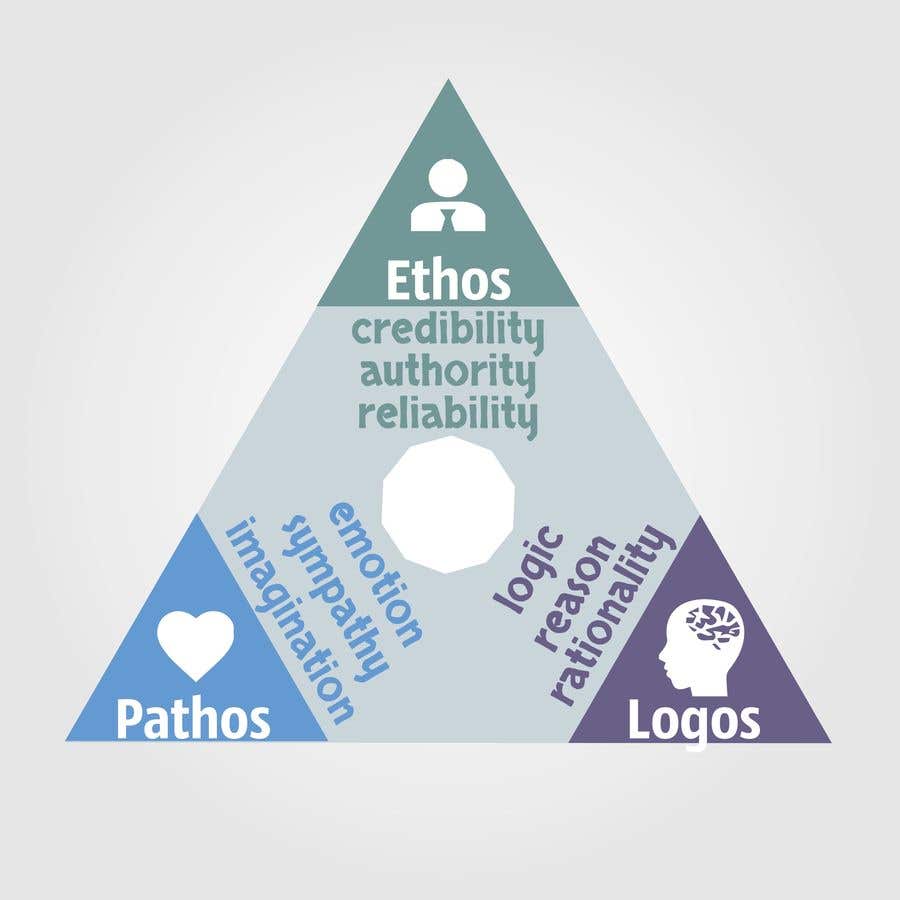
In Management Communication there are three modes of persuasion that is used to speak or write effectively. These are ethos, pathos and logos.
Here is a story that shows how one can pitch a new product idea to investors using ethos, pathos and logos.
Lukman is an inventor who had always dreamed of creating a smart watch that could monitor blood pressure and alert users of any potential health risks. He knew it was a revolutionary idea that could save lives and improve wellness. But he also knew it was not easy to convince investors to fund his project. Lukman had attended LBS and had taken a management communication course where he was taught persuasive communication. He intends to use all the modes of persuasion at his disposal: ethos, pathos and logos to convince investors to invest in his idea.
Ethos is the appeal to ethics or credibility. Lukman had to show the investors that he was trustworthy and qualified to execute his vision. So he started his pitch by introducing himself and his background. He told them how he had graduated from the University of Ibadan with a First class degree in biomedical engineering, how he had worked for several reputable companies in the health tech industry, and how he had published several papers on wearable devices and blood pressure monitoring. He also showed them testimonials from doctors and patients who had tried his prototype and praised its accuracy and usability.
Pathos is the appeal to emotion. Lukman had to make the investors feel something for his product and its potential impact. So he shared with them a personal story of how his uncle who sponsored his education, had suffered a stroke due to undetected high blood pressure, and how he had passed away before he could say goodbye. Lukman told them how his uncle’s death had inspired him to create a device that could prevent such tragedies from happening to others. He also showed them statistics on how many people die from cardiovascular diseases every year, and how many of them could be prevented with early detection and intervention.
Logos is the appeal to logic or reason. Lukman had to prove to the investors that his product was feasible, profitable and competitive. So he presented them with facts and figures on how his device worked, what features it offered, what market it targeted, what revenue model it followed, what costs it incurred, what risks it faced, what milestones it achieved, what goals it pursued, and what returns it expected. He also showed them charts and graphs on how his device compared favourably with other similar products in terms of performance, price and customer satisfaction.
Lukman, by using ethos, pathos and logos in his pitch, he was able to persuade the investors that his product was worth investing in. They were impressed by his credentials, moved by his story, convinced by his data, and excited by his vision. They agreed to fund his project with generous terms and conditions. Thanks to their support, Lukman was able to launch his smart watch into the market within a year.
It was a success beyond his wildest dreams. The smart watch sold like hotcakes across the world. It received rave reviews from critics and users alike. It won several awards for innovation and design. It saved countless lives from heart attacks and strokes.



