
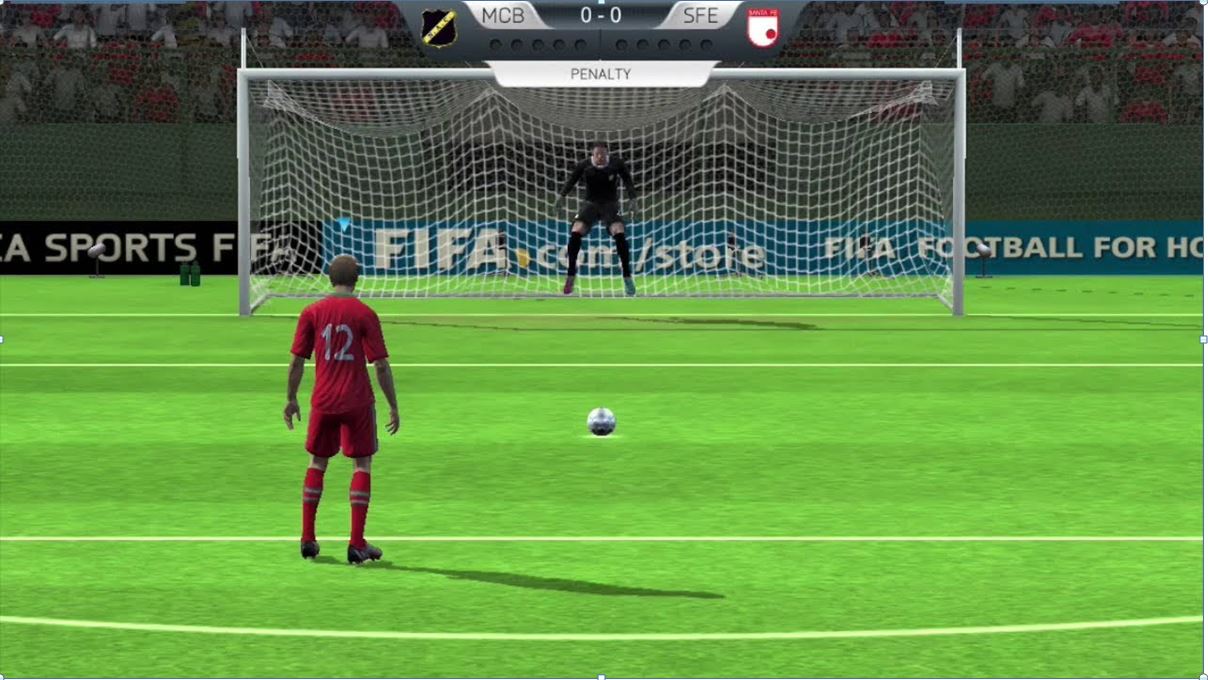
As the name implies, indeed it is a field of play. This is what management communication puts you through in every form. Though not particularly like sports having fans cheer you on, much similar is the anxiety and pressure one feels until Tinuke rings the bell, or Eugene tells you, “your time is up”. Whew! What a relief you feel. Especially if you managed to reel out all you’ve got in 90secs. You then eagerly wait for feedback, hoping you did well enough.
This course is one I particularly look forward to, essentially because it is very easily relatable for me. Making presentations is about what I am required to do regularly, given the nature of my job. However, what the presentations help do, is to learn brevity even in communicating a message one is so passionate about. It reminds me of “summary“ in English language during my high school days and I must say, it is an exercise that puts my creativity to task as well. Particularly, when the pitches are hypothetical (and they mostly are), though not unrealistic especially for entrepreneurs or executives who find themselves in the marketing sector.
However, I see the presentations as an opportunity to horn my communication skills, being able to deploy influencing skills, cutting off nuisances and making my point all at once. I have to quickly determine what is most important to say based on the given context and within allotted time frame. Listening to others make their presentations is also particularly good, as I sometimes see a reflection of myself in other people’s presentations. I notice unconscious mannerisms that affect presentations, positively and negatively and this helps bring them to my consciousness, when I get an opportunity to take the stage.
I look forward to a time when presentations no longer send chills down my spine, because for now, no matter how prepared I am, the chills do come as it gets closer to my turn. A few tips that resonates in making good pitches, as I have come to learn in the management communication class, is the importance of intentionality and taking pauses. Pauses again reminds me of the need to “just breathe” like Yinka told us during the SIY course. It however does a bit more when making oral presentations. Pauses sorts of serves as bullet points creation in a power point presentation, helping the audience to soak in bits of your message, and highlight key points.
On the other hand, being intentional about every word and gesticulation used can help make very good oral presentations as well. The appeal to Pathos, Ethos and Logos, is also a learning to keep handy irrespective of your mode of communication. These are the bedrock of communication in any form; be it persuasive or informative, oral or written communication.
The need to structure ones message into five parts also makes for clearer communication ensuring the message’s purpose is not lost and of course, helps brevity of presentation. In all, management communication is a course I would recommend to every business executive, as knowing its rudiments would surely help ones career, irrespective of the sector you are in. For as long as you need to receive a message or pass on one, you certainly will find the course a useful tool.




 Prospering in Lagos