
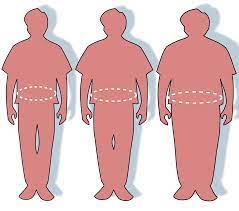
Overweight and Obesity are defined as the excessive accumulation of fat that presents a risk to health. A body mass index (BMI) above 25 is considered moderately obese while over 30 is known as obesity. Obesity is one side of the burden of malnutrition. It used to be a health problem of the developed countries but has become epidemic even in developing countries especially in urban areas. For most people, body mass index provides a reasonable estimate of body fat however in some people like athletes who are muscular; it doesn’t directly measure body fat as people in this category may have body mass index in the obesity category even though they do not have excess body fat.
A more accurate guide is to check the person’s waist circumference as this helps to guide treatment decisions.
Health related problems associated with overweigh and obesity are more common in men with waist circumference greater than 40inches and waist circumference greater than 35 inches.
WHAT CAUSES OBESITY?
Although it is noted that genetics, behavioral, metabolic and hormonal influences on body weight can lead to obesity, the main cause of obesity is the energy imbalance between calories intake and calorie expenditure.
All over the world, there has been an increase in intake of refined foods (energy dense foods) which are high in fat and sugar.
There has been also increase in sedentary lifestyle i.e people choose less strenuous way of doing things as a result of advancement in technology and urbanization. For instance people will rather drive down a nearby mall than walk down to the mall. Many people now have jobs that are much less physical demanding, and so they don’t tend to burn as many calories at work.
RISK FACTORS FOR OBESITY
- Genetics and influences
The gene someone inherits from their parents may affect the amount of body fat they store and also where these fats are distributed. It also plays a role in how efficiently the body converts food to energy, how the body regulates your appetite and how the body burns calories during exercise.
- Life style choices :
(a)This includes consumption of unhealthy diets lacking in fruits and vegetables, fast foods
(b)Liquid Calories; people can take many liquid calories without getting full especially calories from alcohol, beverages such as sugared soft drinks which can contribute to significant weight gain.
(c) Sedentary lifestyle or physical inactivity; this reduces the amount of calories being burnt.
- Certain diseases and medications: some disease such as cushing syndrome can cause excessive weight gain, Also health problems such as arthritis can lead to decrease activity which may result in weight gain.
- Some medications such as antidepressants, diabetes medications, and steroids can lead to excessive weight gain.
- Other factors includes pregnancy, stress etc
HEALTH CONSEQUENCES OF OVERWEIGHT AND OBESITY
Increase in Body mass index as a result of overweight or obesity is the major risk factor for non communicable diseases worldwide.
Obesity and overweight predisposes people to the following health problems:
- Diabetes
- Cardiovascular diseases such as stroke and many heart diseases
- Musculoskeletal disorders such as osteo arthritis
- Cancers such as breast, prostrate, liver, ovarian, colon cancers etc
- Sleep apnea; this is a potential serious disorder in which breathing repeatedly stops during sleep in people with obesity
- Digestive problems such as heartburn, liver problems
The risk for these diseases increases with increase in body mass index.
WHAT CAN BE DONE TO REDUCE OVER WEIGHT AND OBESITY
Over weight and obesity are highly preventable by making healthier choices from the food we eat and adopting regular physical activities.
As an individual, you can:
- Limit source of energy intake from fats and sugars
- Increase consumption of fruits and vegetables as well as whole grains and nuts
- Engage in regular physical activity like 150 minutes spread through the week for adults
This will enable an individual stay healthy.



