
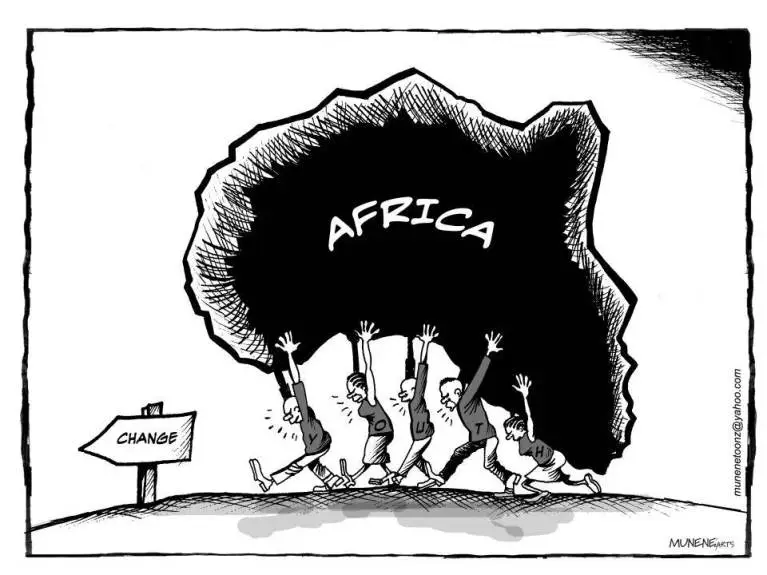
Since the end of Colonialism in African states, it is often argued that African states are not technically free from the grips of the western colonisers. Slavery and colonialism are two major institutions that have over the centuries characterised African engagements with west. After attaining independence, it is expected that the quest for self determination and pursuit of happiness by African states will be seamless. Many decades down the line, African states have been struggling to get their bearing in the committee of nations in the world. Africa’s struggle is evident in the in the inability of African leaders to formulate home-grown policies that would guide economic, political and social development in Africa, hence, the infiltration of western influence into supposedly independent African states through the instruments of international organisations like International Monetary Funds (IMF), World Bank and others.
Despite the influence of western institutions in African state economy, African state continue to witness weak and poor economy, political instability, decadence of social infrastructures and poverty among her citizens. The per capital income of many African states is the lowest globally despite being endowed with abundant natural resources that should have elevated African to a continent of the richest and most developed in the world. One of the reasons adduced for the current condition of African states is the overwhelming influence the western world have on African states, and have shaped the economic policies of African state towards being subservient to the west, hence the conclusion that African states are still caught in the web of western domination call neo-colonialism.
With the realisation of the need for African states to re-visit her quest for self determination in every area of existence, several attempt have been made for African leaders to fashion out effective means of cooperation in the area of economy, political etc. that would extricate Africans states from the exploitative influence of the west and foster new regional initiative for development. Hence the birth of New Partnership for African Development (NEPAD).
NEPAD is an African Union strategic framework for pan-African socio-economic development addresses critical challenges facing the continent: poverty, development and Africa’s marginalization internationally and provides unique opportunities for African countries to take full control of their development agenda, to work more closely together, and to cooperate more effectively with international partners.
Are African leaders able to achieve anything from NEPAD?….. to be continued in the next post.
Thank you.



