
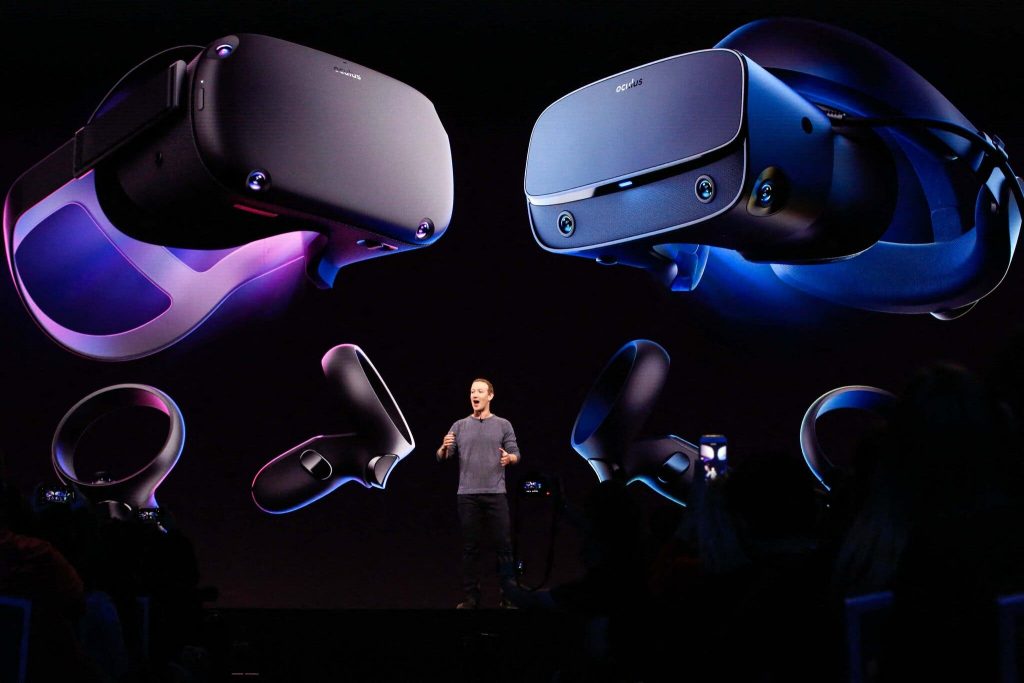
The problem of living in the Metaverse is removing VR glasses and realising you’re actually alone af and none of the things you’ve been doing in the virtual world is fungible. Alienation is basically the reason why we teach our children not to overuse video games and social media. But here we talking about translating this into our day-to-day habitual life. Not sure about how healthy this could be? As much of a technology nerd I am this can potentially become something very scary We could end up living lives like in The Matrix, Ready Player One or Sword Art Online.Vr is actually so cool looking but would be bad for your eyes. For people who don’t do well with other people irl that have bad anxiety issues this kinda thing is a way to get out but not feel the anxiety but feel way more immersed. If you’ve never tried vr it really is quite amazing. Although vr always makes you feel nautious after a while, i wonder how they plan to fix that or i guess you’d get used to it eventually.When Facebook’s CEO Mark Zuckerberg announced in October that the company would change its name to Meta and become a “metaverse company,” he drew a picture of an idealized future that was still many years away, in which billions of people would spend countless hours immersed in immersive digital environments, working, socializing, and playing games in virtual and augmented worlds.
Since then, Meta has committed billions of dollars and tens of thousands of workers to making Mr. Zuckerberg’s vision a reality. But Meta’s efforts to build a metaverse have stumbled.
Horizon Worlds, the company’s primary virtual reality game, continues to be unpopular and problematic, prompting Meta to implement a “quality lockdown” for the remainder of the year while it redesigns the program.In interviews with more than a dozen current and former Meta employees as well as internal communications that The New York Times was able to obtain, the company’s battle to reshape the business was detailed. Due to their lack of authorization to discuss internal matters, the individuals spoke on the condition of anonymity.A new V.R. headset and other new metaverse capabilities are anticipated to be unveiled by Meta on Tuesday during a developer conference. The corporation is in a race to reinvent itself to offset losses in other areas of its business, so the stakes are high. The two main sources of income for Meta, Facebook and Instagram, are being displaced by TikTok among younger users, and Apple’s changes to the mobile operating system’s privacy settings have cost Meta billions of dollars in advertising revenue.
In order to focus on how its goods functioned on cellphones rather than desktops, Mr. Zuckerberg effectively restructured his business a decade ago. Last year, he gave a similar indication of the change, stating that investing in the metaverse will enable Meta to advance from one technology period to the next.
There are various indications that Meta has surpassed rivals as a result of its wager. According to estimations from the outside market, the Quest 2, the company’s consumer VR headset, is the most popular VR headset available. It has sold more than 15 million units. An estimate from app analytics company Sensor Tower indicates that the Oculus V.R. program, which has subsequently been renamed Meta Quest, has been downloaded over 21 million times on iOS and Android devices.Some Meta workers have expressed doubt in response to Mr. Zuckerberg’s enthusiasm for the metaverse. He recommended organizations to have meetings through the Horizon Workrooms software from Meta this year, which enables users to congregate in virtual conference rooms. According to one person with knowledge of the events, many employees had to rush to purchase and register devices before managers realized they needed VR headsets or had not yet set them up.



