
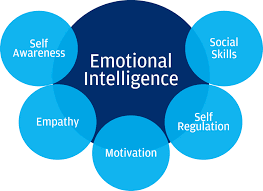
Emotional intelligence is the ability to recognize and manage your own emotions, as well as the emotions of others. It is a concept that has been around for more than a century, but it’s only recently that it has been studied in depth.
The need for emotional intelligence
Emotional intelligence is vital for anyone who wants to be successful in any job, but especially in management roles. A leader’s ability to understand and manage their own emotions has a direct impact on how they can lead others and make good decisions. In addition, poor emotional management can lead to poor decision-making which can negatively impact an organization’s performance.
Impact of Emotional intelligence on decision making in management decisions
The role of emotional intelligence in decision-making has been studied by several different groups of researchers over the last few years. The results have shown that people who have high levels of emotional intelligence tend to make better decisions when faced with stressful situations or when they are faced with unexpected events such as public speaking or meeting new people.
It’s time to talk about the one thing that makes people fall in love with you: your emotional intelligence.
Emotional intelligence is the ability to recognize, understand, and manage emotions. It’s what makes you able to relate to other people and make them feel understood. It’s also what makes you able to decide how you want to act in situations where there are many possible outcomes.
But what if you don’t have enough emotional intelligence? What then? Well, let me tell you: It’s a bad look for sure!
Studies show that managers who do not have strong emotional intelligence skills make less-than-optimal decisions—and these poor decisions can lead to loss of revenue, cost increases, and high turnover rates. These same studies also show that employees who lack emotional intelligence are less likely to be engaged at work—and this lack of engagement can lead to disengagement from your company altogether.

So what do we do? We need more emotional intelligence in our workplaces! We need people who can handle themselves well under pressure, who can make decisions for the good of the team without losing their cool or making rash choices based on emotions alone. And that’s why I say: Emotional Intelligence Matters
Emotional intelligence is a thing.
The need for emotional intelligence in the workplace has been well-documented for years, but if you’re still not convinced that emotional intelligence is a thing—and that it’s worth prioritizing as an employee—I’ve got a few points to help you out.
First of all, let’s talk about how emotional intelligence impacts decision making in management decisions:
Researchers found that people with high emotional IQs (EI) were better able to make decisions based on facts rather than feelings. They also showed that EI was linked to greater job satisfaction and higher performance at work.
But what happens when someone doesn’t have high EI? Well, here are some negative effects:
– They’re more prone to stress and anxiety at work
– They’re less productive overall
– They tend to make less money
Emotional intelligence is an important trait to have in a management position. It can help you make the right decisions when there are multiple options available, and it can help you improve your relationships with others.

However, emotional intelligence is not enough on its own to make good decisions. You also need to consider your emotions and how they will impact your decision making process. Sometimes it may be more beneficial to choose a different option than what your initial instinct tells you—but if you don’t take the time to consider all alternatives, then your initial instinct might be wrong.
If someone has low emotional intelligence, then they may not understand how their emotions affect their ability to make sound decisions or communicate with others effectively. This can lead to poor choices being made that could have been avoided if someone with more emotional intelligence had been involved in the decision making process from the beginning.
With this in mind, it becomes clear why managers need high levels of emotional intelligence: they must be able to effectively manage people while also managing their own emotions so that they don’t negatively influence others’ decisions or actions as well



