
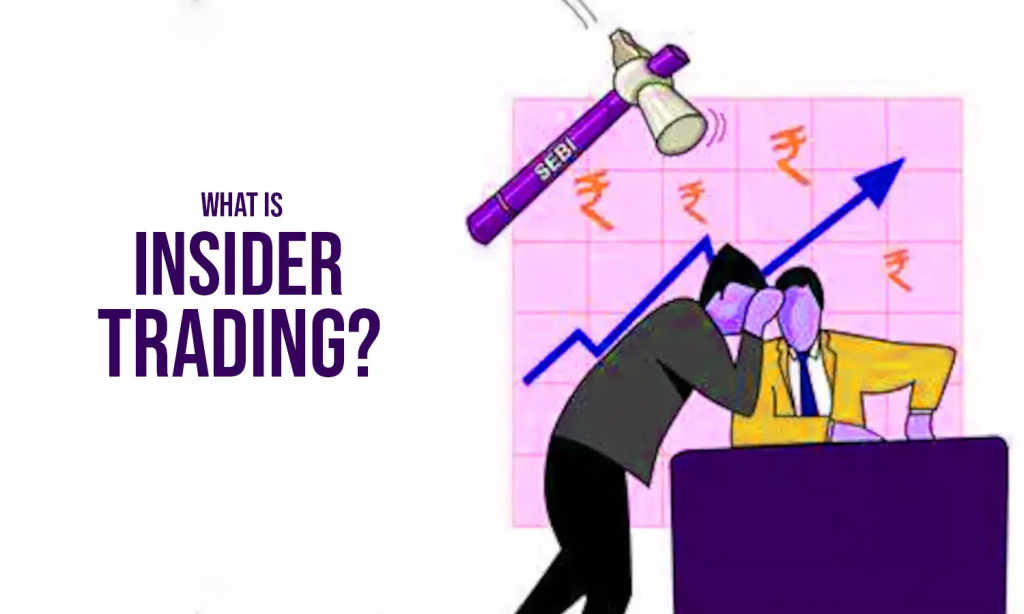
What is Insider Trading
Insider trading is when a director or employee of a company buys or sells shares of that company on the basis of confidential information which, once it becomes public, is likely to have a significant impact on the price of the shares
Why should it be avoided?
Insider trading is unethical because it does a disservice to the firm’s shareholders, to whom the insider owes fiduciary duties. This is the primary reason insider trading is considered unethical. It is detrimental to the firm as a whole.
It makes it more difficult for the stock market to operate in a seamless manner.
Harm to the Shareholders and the Company
Insider trading is often seen to be detrimental to firms since it leads to an increase in operating costs and gives competitors access to previously confidential corporate plans.
Consider an example of insiders who acquire stock after learning positive information that will lead to an increase in the value of their company’s stock. Managers that engage in this kind of trading, pocket gains that were supposed to be distributed to the company’s shareholders. When deciding whether a shareholder would earn or lose, it might be difficult to ascertain the ethical implications of the situation. Insider traders take earnings that are supposed to go to other shareholders, both current and former, but instead they take those earnings for themselves. Not only the shareholders who are now invested in the company, but all shareholders, past, present, and future, are entitled to moral and fiduciary duties from company insiders.
Insider traders could cause significant damage to the company if they were to make public, through their own actions, information that the corporation had hoped to keep secret for the time being. As a consequence of this, the strategies that the corporation has in place are likely going to be impeded.
Impairment of the Stock Market
Insider traders bring both their employers and the stock market into disrepute, which is bad for everyone involved. To begin, prospective investors will steer clear of the market if they have the impression that insider trading occurs frequently and that they are at a competitive disadvantage when compared to those who are on the inside. According to John Shad, a former chairman of the Securities and Exchange Commission, “If customers think they’re playing against a marked deck, they won’t invest.” If there is less money invested in the stock market, there will be less liquidity, which will result in increased financing costs.
Insider trading is harmful to markets because it widens the spreads that exist between the buy-price margins and the sell-price margins.
The “bid price” and the “ask price” are the two prices that market makers always provide. The “bid price” is the price at which they are willing to buy, and the “ask price” is the price at which they are willing to sell. A market maker can cover their pricing risk and make a profit by leaving a margin between the bid and ask price.



