
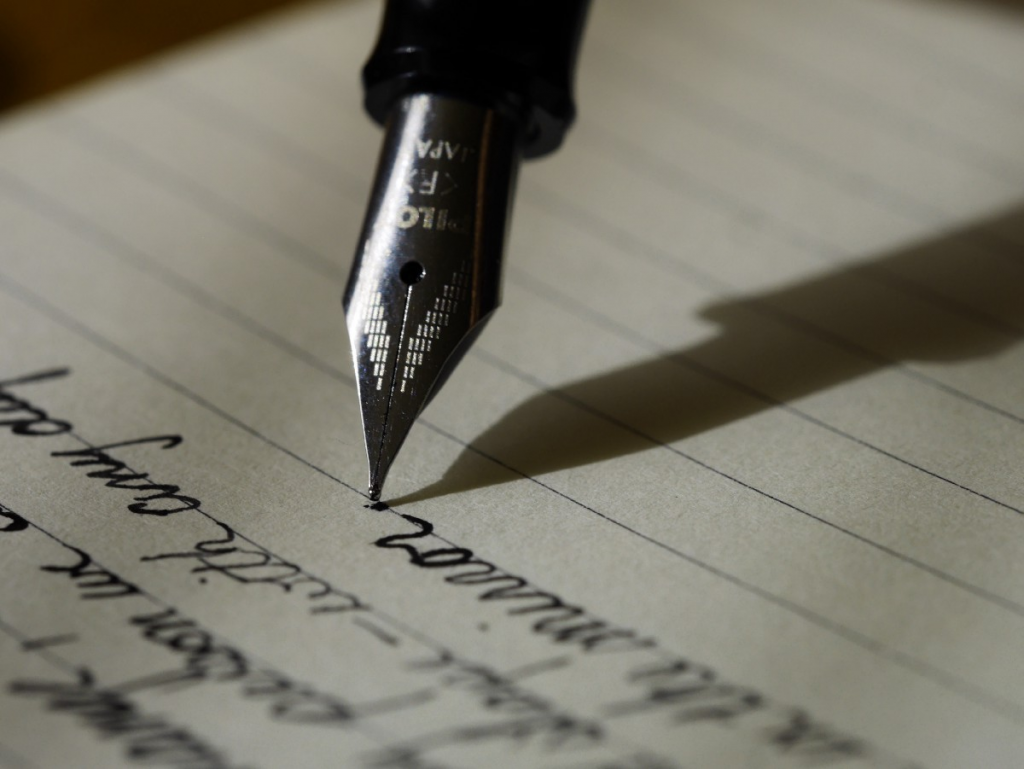
A written piece is also an art of creativity as it involves a message to be passed on, the writer and the audience. Every art requires a creative mind which conceives the message and devises a means to convey this message as perceived by the author and ensure that the audience receives the perceived message as intended. This is where the creativity skills come to play and this can be achieved with constant practice though, some persons will argue that it comes as a gift (natural) to them. However, that is perceived, one gets better at it with continuous writing and practice because, in writing, perfection is not a destination as the mind in its creativity dynamism will continue to vary. The dynamic creativity of the mind comes with the changing world around us and to reflect this in writing, every day poses an opportunity to improve at it;
Writing as a craft also requires continuous practice to be better and continue to improve at every step of it in tune with the dynamic mind to perceive and create through writing. Best authors and publishers around the world today will attest to the fact that a recent piece is usually an improvement from the last and this can be seen when books editions are compared, the most recent editions are better in forms and skills.
In as much as quality can be termed subjective, however, there are key features that are required in a piece of writing for it to be described as a quality piece and these attributes include:
- Simple: This is plainness, which is the state of being plain and not complicated when writing. Using everyday language helps readers relate to your writing and it does not mean that you should not use the occasional elaborate word; rather, it means that your readers should be able to read your content clearly, and then, be enthralled by your more interesting words. A good piece of writing should maintain simplicity. It must be simple enough to aid understandability. Keep the word/vocabulary simple yet where technicalities are required, it should be simple enough to understand.
- Concise: This is using the fewest words possible to convey an idea. It is choosing your words deliberately and precisely, constructing your sentences carefully to eliminate deadwood, and using grammar properly. By writing concisely, you will get straight to your point in a way your audience can easily comprehend. A good piece must be brief and straight to the point, yet it should communicate the message that is required in the right amount without unnecessary jargon not relevant even if it involves some level of technicalities.
- Clarity: This is the ability to communicate effectively with the intended audience in writing where the message passed is understood as intended. A good piece must be as clear in its content and not ambiguous to conceal the main ideas of the author, so as not to create opportunities for misconception of any sort. This is to ensure the reader is not confused by injecting personal opinion into the piece; which can trip up the reader and cause the reader to misunderstand the point of the message.
- Correct: The Correctness of written communication is the notion that certain words, word forms, and syntactic structures meet the right standards. Using conventional grammar, spelling, and punctuation. It is the appropriateness of the word structure and punctuation in writing which ensures that the reader receives the message communicated as intended, and it is essential because if otherwise, will stem a negative reaction from readers.
- Complete: The quality of being whole or perfect and having nothing missing is the essence of a well-written piece. It is an important aspect of writing as it’s about giving context to the piece and it is focal of the writing. Ensuring that your evidence on the message is complete and follows logical reasoning in its presentation to aid understandability and coherence.



