
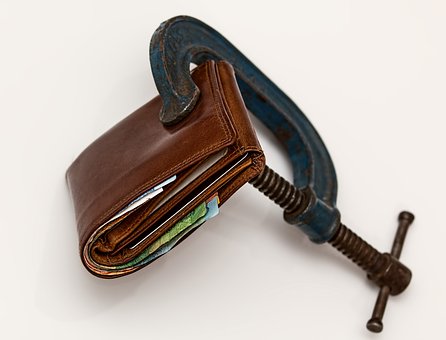
Why should you be free?
Your health may deteriorate if you have a lot of debt. People all around the world are affected by the stress of trying to make ends meet and the fight to save for the future. And financial stress might make it harder to budget, save money, or even develop a shopping list to help you stay on track when you’re out shopping. Getting out of debt can improve both your physical and mental health. Greater financial confidence, improved morale, and improved opportunities to save for the future will result in having more income and being freed from debt. Financial gurus frequently suggest two approaches to managing debt. The “avalanche” and “snowball” approach. Both strategies could assist you in concentrating your debt repayment efforts. The highest-interest debts or credit cards are paid off first using an avalanche strategy. While merely making the minimum payments on your other loans, you chuck as much cash as possible at them. Using the snowball method, you start with the smallest debt, pay it off, and then go on to the next obligation.
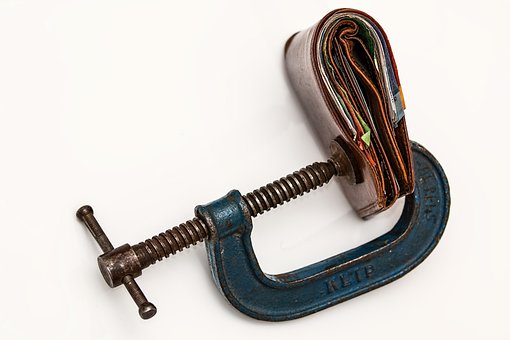
Step 1: Accept responsibility for your debt.
The first step is to accept your mistakes if you’ve been trying to make bills disappear by avoiding them. Gather all your loan statements, bills, and budget documents and put them side by side, as well as anything else you can think of that, has to do with money. Add them all up. Your base payments will be your loans as well as the cost of necessities like power, food, and water. Suppose these already vastly outweigh your net income. In that case, you will need to drastically alter your lifestyle, like selling a gadget you can live without, moving into a smaller apartment, or taking on a second job. Alternatively, depending on your location, you could take other steps. You must first come up with a plan.
Step 2: Sorting your debts
Debts are not all created equal. When creating your plan, you must develop a plan of attack and create a hierarchy for your debts. Experts advise targeting high-interest debt first, followed by non-deductible, low-interest debt, and tax-deductible debt last. It’s time to cease using high-interest debt.
Step 3: Examine the patterns and habits from your self-created damage report.
It’s time to sit down and check how you spend. Check your budgets for the last few years and see how accurately (or not) you’ve been following them. Examine your saving habits (do you save before or after you spend?)
Step 4: Carry Out Damage Control
Get rid of problematic accounts and make timely payments on your total debt. Set up automatic loan payments to tighten your budget and keep you from spending more than you can afford. This will help you get a handle on your debt.
Step 5: “Go for two!”
Pay off your highest-interest debt as soon as you can by making two payments. The payback term might be shortened by making two payments at once. After paying off the debt with the highest interest rate, do the same on the next-highest debt. A debt avalanche is the name of this tactic. This will speed up your repayment time.
Conclusion
Making difficult decisions is frequently necessary to get out of debt. It might be necessary to take severe action if you’re too far behind. The lightest cuts involve substitutions: one ply for two, public transport instead of Uber, and cancelling weekend and vacation trips. Selling any non-essential items you can live without will result in deeper cuts. Any proceeds from the sale of non-essential items should be used to make one lump sum payment on your highest-rate debt.




 CORPORATE GIFTS – TO GIVE OR NOT TO GIVE.