
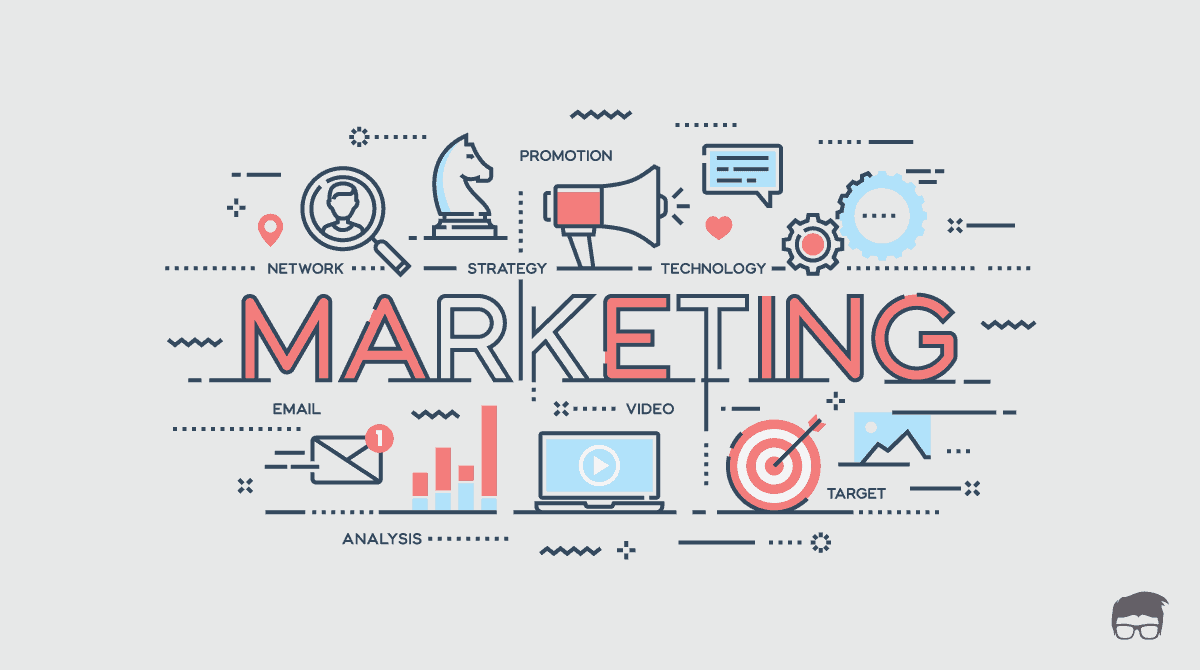
Marketing, as defined by the Oxford dictionary, is the action or business of promoting and selling products or services, including market research and advertising. Marketing is at the heart of every business. Marketing strategies play a pivotal role whether a business intends to grow or be sustained. Marketing department in some firms are called Sales department, have you ever wondered why? Because productive marketing is expected to boost sales, revenue or income of a company. Before now, marketing used to be done in some orthodox ways such as one-on-one marketing, cold call or cold conversing, media advertisement and referrals. These types of marketing channels could only reach limited number of clients. With the advent of internet, digital and performance marketing came into fore and businesses are now able to reach larger and limitless number of customers.
Marketing and business experts have, over time iterated major components of a successful marketing endeavour. We hear of market segmentation, lead generation, sales origination and closure. A common marketing parlance is the ‘4 Ps’ of marketing – Product, Price, Place and Promotion.
Product: Product refers to various goods and services a company offers its clients. For a marketing exercise to be successful, product and services must meet the expectations of both the existing and the prospective clients. A very important factor for marketers to be able to convince customers to buy their products or pitch for business is the product knowledge. Companies also look for ways to introduce new products to the market from time to time based on the needs of their customers.
Price: Price refers to the amount a client pays for a product or service rendered. Marketers or sellers often charge fees for services or put a price tag on a product based on the average market price. This is often the case in a competitive market where every seller is a price taker. A company will be doing their business a disservice if they are charging higher fees that is at variance to the consensus market price for a similar product or service. Nevertheless, one of the ways to achieve marketing objective is to give concession in form of reduced fees or discount for clients that do a certain volume of transaction.
Place: Place is where companies carry out their business activities. Before the outbreak of Covid-19 pandemic, most businesses were on site; they ensured that the ambience of their office space is always clean. They ensured that clients feel comfortable in our office. Some businesses offered clients coffee or water while they were waiting to be attended to. Nowadays, many transactions are consummated online, and products delivered through a dispatch. So, an important marketing place companies showcase their products and service is on their website. Meanwhile, there are some services that clients have to be present physically before they can receive the service of a professional, for instance, healthcare services.
Promotion: The goal of promotion is to communicate to consumers that they need a particular product and that it is priced appropriately. Promotion encompasses advertising, public relations, and the overall media strategy for introducing a product. Most companies now engage digital marketers to reach large number of prospective customers.
Companies that have a substantial budget for marketing as a percentage of their total expenses and follow through the marketing exercise methodologically, should be able to grow and sustain their businesses in the medium to long term.
#MEMBA11




 Why You Should Ask Questions?