
COVID-19 and Corporate operations
When the COVID-19 pandemic crystallized in early 2020, business entities swiftly swung into action to manage the situation effectively. Employee safety was paramount, so employers across the globe migrated to working remotely or working-from-home (WFH) programs to curb the coronavirus’s spread in the workplace. This program entailed equipping staff with technology resources to operate from their respective safe locations. The resources included laptops, tablets, and in some cases, internet packages to enable staff to access the office network to conduct their daily work remotely.
Companies also established COVID-19 information management teams that gathered local pandemic-related news and data for staff awareness. For some companies, the data included infection rates and total reported cases.
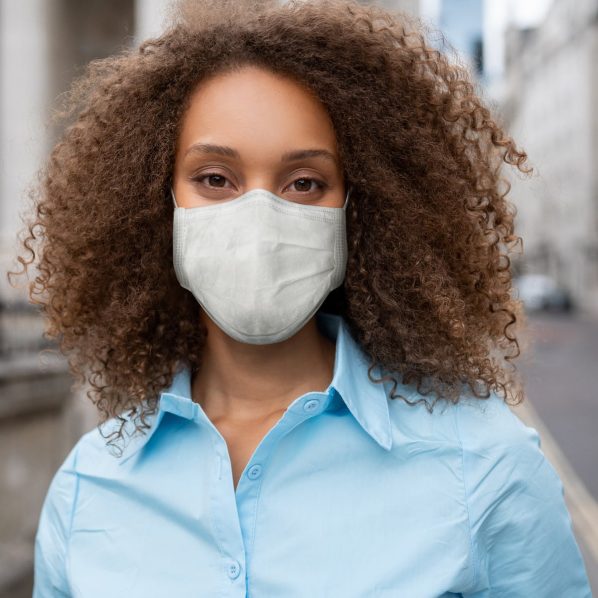
Various governments implemented national lockdowns and international border closures, so business and tourist travel ceased. Only medical supplies, food supplies, and other critical resources were permitted for air, land, or sea transport. Residents and citizens could shop for groceries and pharmaceutical products in person during specific hours or order via home deliveries. Outdoor interactions required the compulsory use of nose masks.
Various teams interacted and communicated virtually via several electronic platforms. Employees accustomed to physical review and exchange of documents had to migrate to the electronic style of achieving the same tasks. Embracing change is not always smooth, but necessity drives innovation. Staff embraced technology while operating from the comfort of their homes.
The Approach by academics
Academic institutions across the nursery, primary, secondary, and tertiary levels operated a studying-from-home approach like the corporate world. This SFH was a global approach as the authorities strived to prevent infections amongst their staff, pupils, and students. The SFH experiences differed for the children. While the older groups of students in primary, secondary schools, and University are more suited for e-learning, the younger children don’t fancy it. Accordingly, it was challenging for the parents of this age group of kids to multitask between WFH and SFH.
Juggling conference calls, client calls, and supervising young children during virtual classes were challenging. Due to WFH protocol, team members usually called each other several times a day to catch up on various transactions, projects, and tasks. Commuting to and from the office was not required. So, employees resumed work earlier and closed later than in the pre-COVID-19 era. These long work hours made it tough to support kids learning activities effectively.
The government lockdowns restricted movement causing public gyms to be locked. Fitness enthusiasts improvised by taking walks and buying treadmills and other home-use gym equipment.
COVID-19 in the rear-view mirror
Life during the height of the coronavirus outbreak was indeed challenging professionally and personally. We are all glad those dark days are history, thanks to the discovery and development of several COVID-19 vaccines.




 WHY ARE AFRICAN TALENTS POORLY REMUNERATED?